Song Meaning
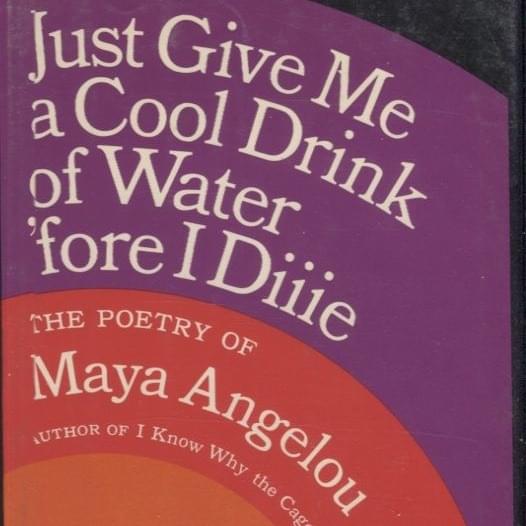
{"song_id": 13218667, "meaning": "Maya Angelou's \"Faces\" isn't a song in the conventional sense, but a spoken-word poem, a concentrated burst of imagery that challenges complacency. The poem, delivered with Angelou's characteristic gravitas, excavates the complex relationship between memory, trauma, and the potential for healing. It doesn't offer easy answers, but rather a series of stark contrasts that force the listener to confront uncomfortable truths about the human condition. The opening lines, \"Faces and more remember / than reject / the brown caramel days of youth,\" suggest a selective amnesia, a tendency to romanticize the past while simultaneously suppressing its darker aspects. Angelou doesn't allow for such sentimental indulgence.
The poem quickly pivots, introducing jarring images of violated innocence: \"Reject the sun-sucked tit of / childhood mornings. / Poke a muzzle of war in the trust-frozen eyes of a favored doll.\" These lines are deliberately unsettling, designed to shatter any lingering illusions about the idyllic nature of childhood. The \"muzzle of war\" is particularly potent, suggesting that violence and conflict are not external forces, but rather intrinsic to the human experience, capable of corrupting even the most innocent of objects. The plea, \"Breathe, Brother, / and displace a moment's hate with organized love,\" is a call to action, a recognition that overcoming these ingrained patterns of violence requires conscious effort and collective action.
The final lines, \"A poet screams 'CHRIST WAITS AT THE SUBWAY!' / But who sees?\" offer a bleak commentary on societal apathy. The poet's desperate cry for salvation goes unheard, lost in the cacophony of modern life. This isn't necessarily a literal religious statement, but rather a broader metaphor for the neglected voices of those who offer hope and guidance. The question \"But who sees?\" is a challenge to the listener, a demand to pay attention, to recognize the suffering and potential for redemption that exists all around us. Ultimately, the meaning of \"Faces\" lies in its unflinching examination of the human capacity for both cruelty and compassion, and its urgent call for a more just and empathetic world. A true lyrics analysis of this spoken word piece reveals its power lies in its challenging questions rather than comfortable answers."}
 View Artist