Song Meaning
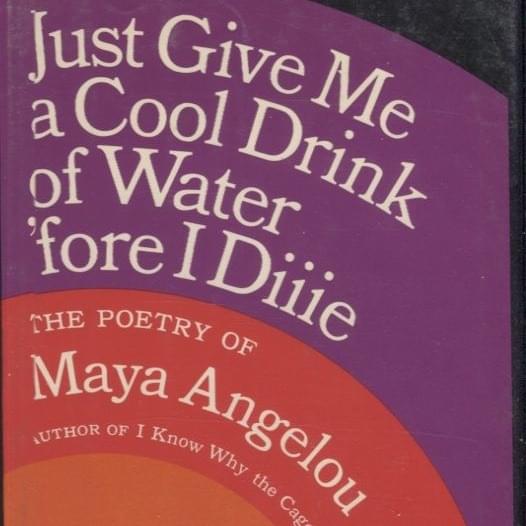
Maya Angelou's "A Zorro Man" isn't a song in the traditional sense, but a potent, concentrated shot of erotic memory. It's a poem draped in the heavy velvet of recollection, less about a literal Zorro and more about the idealized, almost mythic figure of a past lover. The "wombed room" and "silk purple drapes" immediately establish an intimate, almost uterine space, suggesting a return to a primal, sensual origin. It's a space where the speaker is both vulnerable and powerful, a dynamic that pulses throughout the piece. The reference to "hands before love-making" is not mere description; it's a carefully chosen detail that evokes anticipation and the slow burn of desire. The light, described as "subtle," underscores the delicate dance of intimacy. This isn't a shout, but a whisper, a secret shared only between the speaker and her memory.
The poem pivots around the image of the lover, filtered through the speaker's gaze. The "clitoral image" is a bold, unapologetic assertion of female desire and agency. It's not just about seeing the lover, but truly *knowing* him, understanding his "general inhabitation" – his essence, his being. The description of him as "long and like a late dawn in winter" is particularly striking. It suggests endurance, a slow awakening, and a depth that goes beyond mere physical attraction. The "late dawn" hints at a love that perhaps arrived later in life, carrying with it the weight of experience and the promise of a sustained connection. It is a love that is not fleeting, but substantial and enduring, like winter itself.
The final stanza brings a sharp pang of longing. The "clean mirror" reflects not the present, but a "gone time." The speaker is "trapped unwillingly" in this memory, suggesting a bittersweet recognition of what was and what can no longer be. The power dynamic is fascinating: she "was love," a statement of absolute being, while he was "booted and brave / and trembling before me." The Zorro image isn't about swashbuckling heroism, but about a vulnerability, a surrender to the speaker's power. He is the masked hero, yes, but one undone by the force of her love. The trembling suggests awe, perhaps even fear, acknowledging the profound impact she had on him. The poem, then, becomes a testament to the enduring power of memory and the complexities of desire, where strength and vulnerability intertwine in a dance of erotic remembrance.
 View Artist