Song Meaning
The lyrics paint a stark picture of disillusionment and the relentless march of time. Initially, there's a sense of wonder at the vastness of the world, but this quickly fades, replaced by a feeling that nothing remains as it once was. This sets a tone of melancholy, suggesting that youthful awe is a fleeting state, quickly overshadowed by a more pragmatic, perhaps cynical, view of reality. The world's grandiosity diminishes, leaving a void where wonder used to be.
The central tension arises from the contrast between the perceived slowness of life's beginnings and the accelerating pace of its end. The narrator warns that days will "run so fast," prompting introspection about achievements and whether one has "reached your peak." This creates an anxiety about time's passage and the potential for life's best moments to be already spent, leaving a sense of urgency and regret. The advice to "take it slow" feels like a desperate plea against this inevitable acceleration.
A key craft element is the stark, almost blunt, pronouncements about human connection and fairness. Phrases like "Few people ever truly care" and "The games we play don't seem half-fair" cut through any romantic notions. The image of having "the world upon a string" is particularly striking, juxtaposing a sense of control or potential with the preceding feelings of helplessness and the unfairness of life's "games." It suggests a complex, perhaps ironic, mastery over a world that feels fundamentally rigged.
This writing is effective because it grounds existential dread in concrete, relatable observations about aging and social interaction. The shift from grand, abstract ideas about the world to personal anxieties about time and the perceived lack of genuine care creates a potent emotional impact. The lyrics don't offer easy answers but instead present a raw, unflinching perspective on the human condition, forcing listeners to confront their own experiences with time's passage and the often-disappointing realities of relationships.
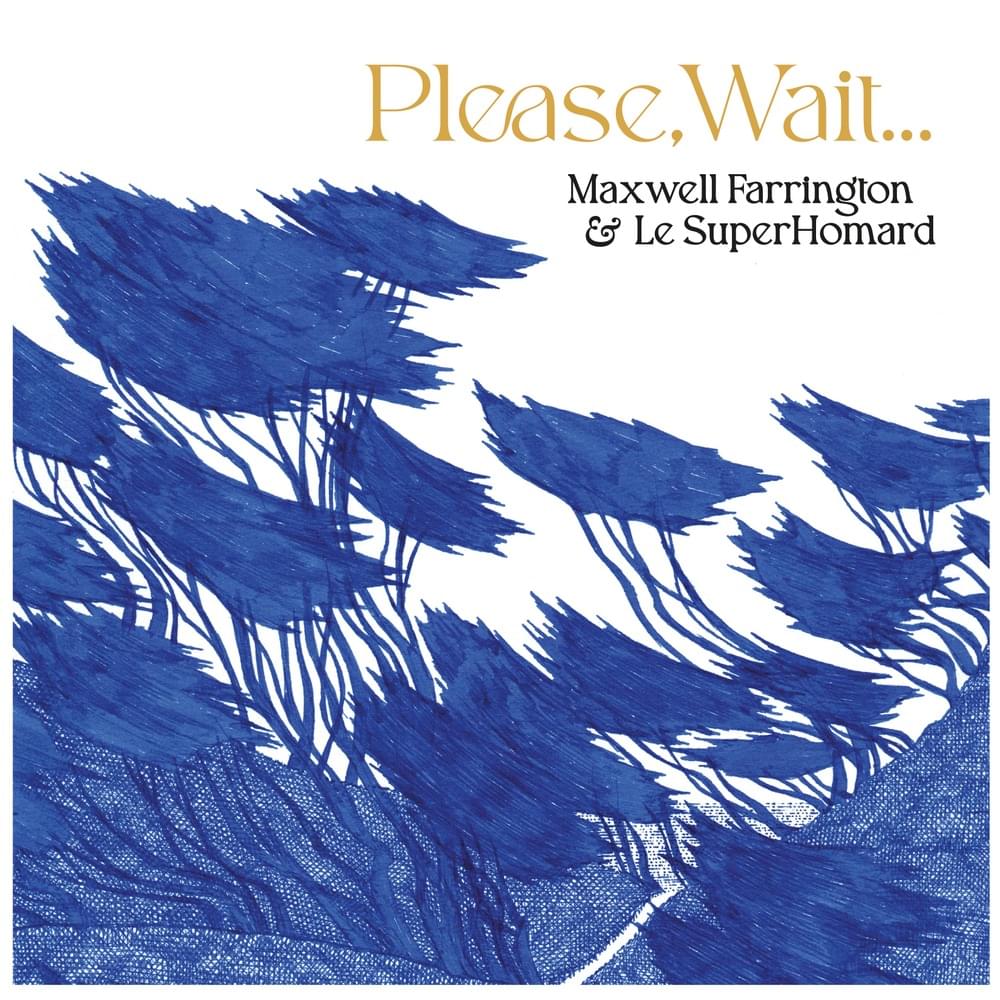
 View Artist