Song Meaning
The lyrics paint a picture of a relationship teetering on the edge, where declarations of love feel precarious and the future is uncertain. The narrator grapples with a late-night existential dread, a sense that even cherished dreams fall short. The phrase 'I love you' isn't stealing, but the narrator admits its power can halt everything, suggesting a deep-seated fear of commitment or the weight of such a statement.
This internal conflict is amplified by the narrator's conditional promises of devotion. They offer to tend to the relationship, 'fetch some wood' and 'cry for all your sorrows,' but these actions are framed as responses to the other person's presence and potential departure. The imagery of 'weeding' and 'vines' suggests a struggle to cultivate something healthy amidst tangled growth, hinting that the relationship might be more parasitic than symbiotic.
The looming presence of 'Christmas' acts as a temporal marker for both hope and obligation. The narrator promises to 'be good,' acknowledging that past feelings were 'once understood,' implying a disconnect between present intentions and past realities. This promise feels like a plea, especially when juxtaposed with the final lines where the narrator admits, 'I beg for some forgiveness,' and feels like they are 'preaching to the choir.'
The effectiveness of these lyrics lies in their raw vulnerability and the subtle unraveling of emotional defenses. The narrator’s internal monologue reveals a deep-seated anxiety about the relationship's validity and their own capacity to sustain it. The contrast between outward promises and inward confessions, particularly the final admission of begging, creates a poignant tension that resonates with the fear of not being enough.
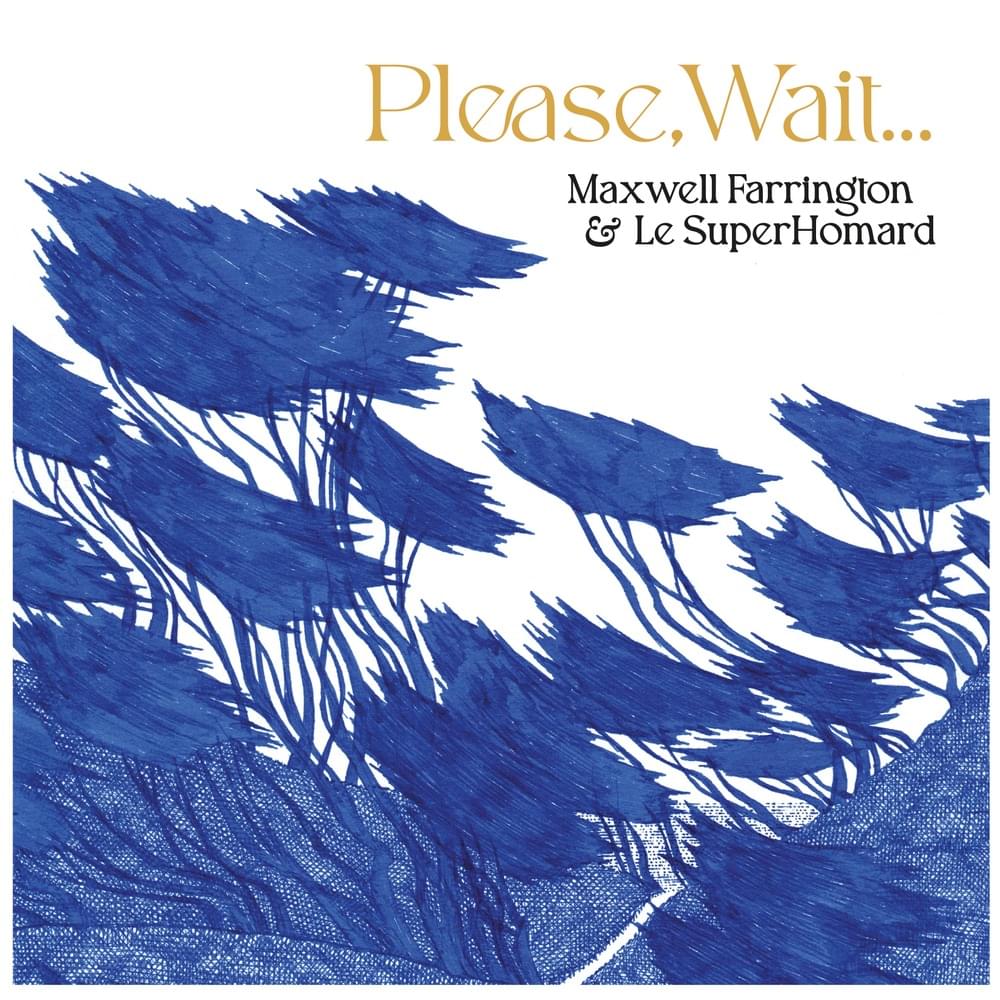
 View Artist