Song Meaning
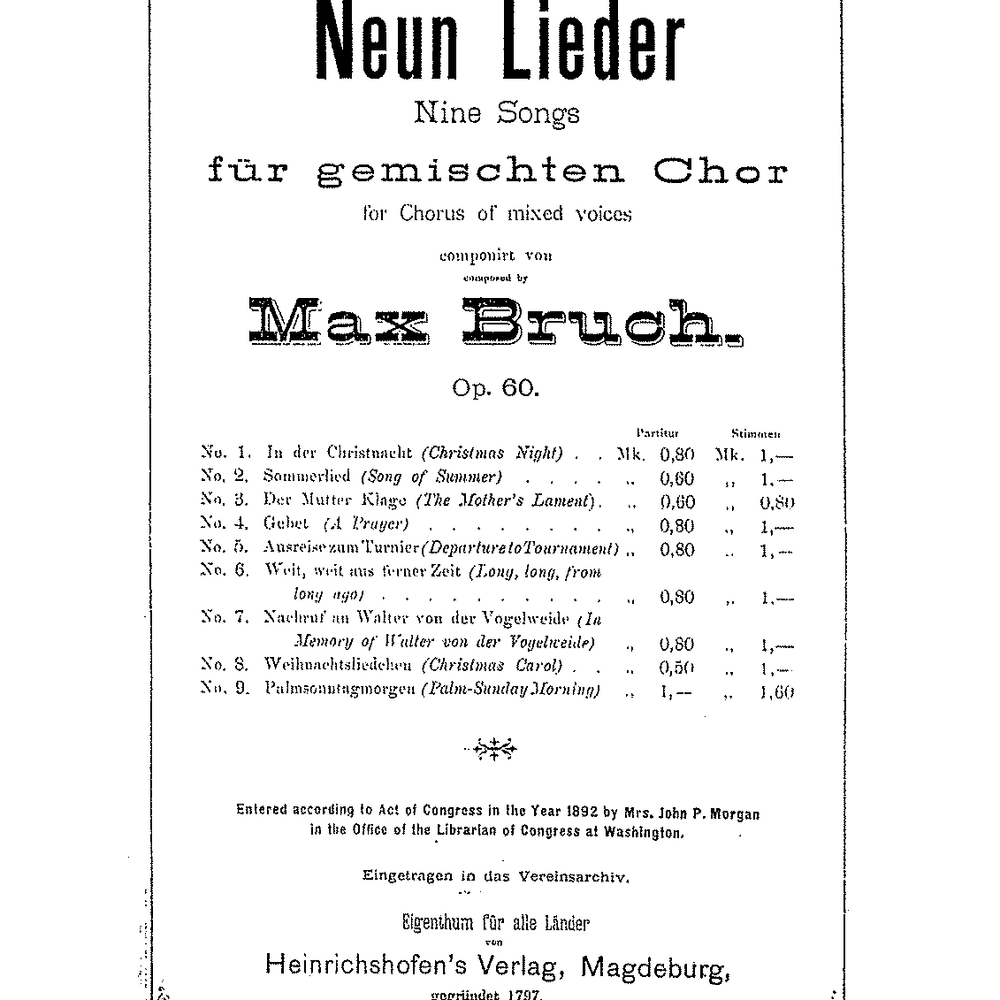
This prayer opens with a striking declaration of acceptance: "Herr! schicke, was du willst" (Lord! Send what you will). The speaker expresses contentment, or perhaps a profound resignation, that both joy and suffering originate from a divine source. This immediate embrace of whatever fate may bring sets a tone of deep, almost radical, trust in a higher power. The initial lines establish a powerful emotional landscape of surrender.
The core tension arises from the plea to be spared overwhelming extremes. While the speaker claims to be content with both joy and suffering, there's a clear request: "Wollest mit Freuden / Und wollest mit Leiden / Mich nicht überschütten!" (Would not shower me / With joys and with sufferings!). This isn't a rejection of divine will, but a nuanced desire for moderation, a plea against being inundated by either extreme.
The most compelling aspect of the writing is the resolution found in the final lines: "Doch in der Mitten / Liegt holdes Bescheiden" (But in the middle / Lies lovely modesty/temperance). This suggests that true peace or divine favor isn't found in ecstatic highs or crushing lows, but in a balanced, temperate existence. The word "holdes" (lovely, charming) imbues this middle ground with a positive, almost gentle quality, making it the ultimate aspiration.
This short prayer is effective because it articulates a complex spiritual stance with remarkable economy. It moves from absolute surrender to a specific, tempered request, grounding its theology in a relatable human desire for equilibrium. The final image of "lovely modesty" offers a profound, understated vision of contentment that resonates beyond its religious context.
 View Artist