Song Meaning
The lyrics paint a stark picture of hitting rock bottom, a descent so profound that the usual safety nets are gone. The narrator acknowledges the danger of seeking ultimate happiness, warning that the fall can be devastating when the 'fallschirm nicht mehr da ist' – the parachute is no longer there. Yet, even in this abyss, a flicker of resilience emerges, encapsulated in the repeated vow, 'Ich komm wieder' (I'll be back) and 'Ich steh wieder auf' (I'll get up again).
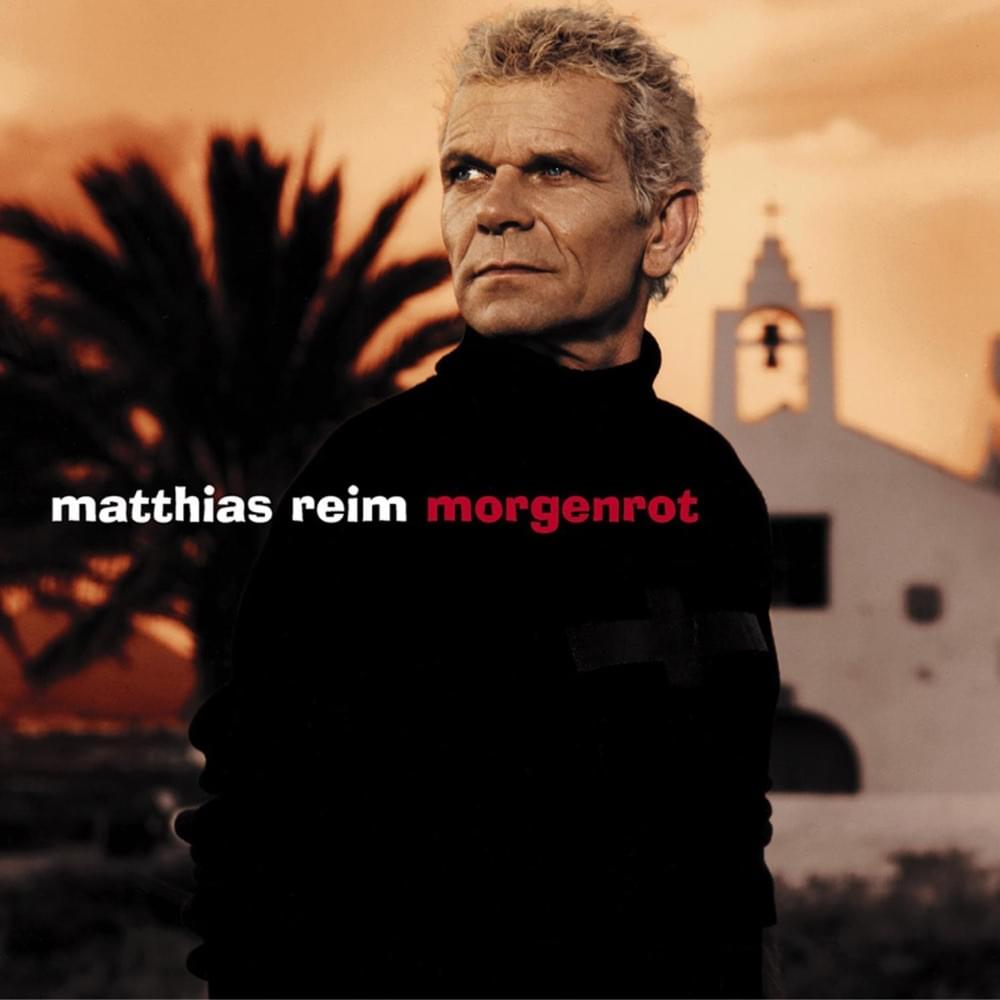
The central tension lies in the struggle against stagnation, which the narrator equates with death itself. The phrase 'Stillstand ist der Tod' (Stagnation is death) drives home the urgency of movement, even if that movement is a desperate flight for survival, 'Weil ich um mein Leben lauf' (Because I'm running for my life). This isn't a gentle recovery; it's a frantic escape from a state of near-death, fueled by the hope of seeing the 'Morgenrot' – the dawn.
A powerful image of betrayal and struggle is presented in the second verse: 'Das Messer tief im Rücken' (The knife deep in the back). This isn't just about external hardship; it suggests a deep personal wound that makes rising difficult. The narrator admits to being a 'Träumer' (dreamer) who became immobile, even suspecting they were a 'Versager' (failure). The 'Schmutz der Welt' (dirt of the world) clinging to their hands further emphasizes the grime and difficulty of their struggle, especially when racing against the world.
Ultimately, the effectiveness of these lyrics stems from their raw depiction of despair and the defiant, almost primal, urge to survive. The contrast between the deep fall and the determined ascent, coupled with the visceral imagery of betrayal and worldly dirt, makes the narrator's promise to return feel earned and powerful. The 'Morgenrot' isn't just a symbol of hope; it's the tangible reward for refusing to succumb to the 'Tod' of stillness.
 View Artist