Song Meaning
The lyrics paint a picture of distant struggles and a profound sense of disconnection. We hear of people laboring intensely to build vessels, a potent image of escape or perhaps a desperate attempt to create something lasting amidst uncertainty. This effort is juxtaposed with others forced to abandon their homes, their weariness palpable. The narrator seems to be observing these disparate scenes from afar, piecing together a narrative of human endeavor and displacement.
The core tension lies in the vast gulf between experience and understanding, between action and its reception. The image of lovers separated, crying, hints at personal loss within these larger movements. This is amplified by the cyclical nature of history suggested by "Centuries of running puts us right back at the start," implying a futility in repeated efforts. The narrator’s own lineage, tied to a "plainsman" who "made a living from the land," grounds the perspective in a more settled, perhaps ancestral, past, contrasting with the restless present.
The most striking element is the recurring phrase "What we say / What we're saying." This refrain, appearing after a mention of men who "couldn't understand," underscores a fundamental communication breakdown. It suggests that despite shared human experiences of building, leaving, and striving, the meaning or intent behind these actions is lost on observers or perhaps even on those enacting them. The repetition of "Building hard" and "Growing tired" emphasizes the sheer effort involved, making the inability to be understood even more poignant.
This disconnect is what gives the lyrics their emotional weight. The narrator isn't just recounting events; they're highlighting the isolating effect of being unheard or misunderstood across vast distances and generations. The quiet observation of others' struggles, coupled with the personal reflection on a past tied to the land, creates a melancholic mood. It’s the quiet ache of witnessing hardship and feeling unable to bridge the gap of comprehension, leaving the listener with a sense of shared, yet profoundly individual, human struggle.
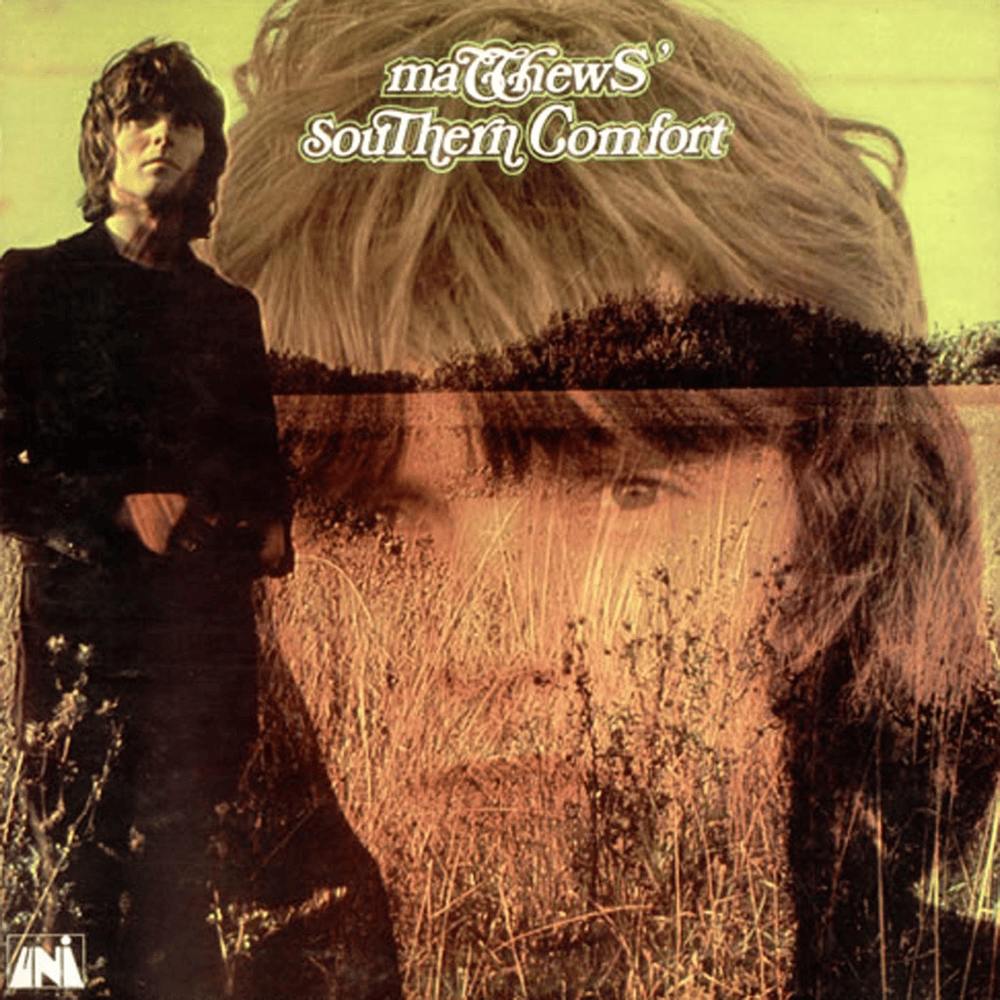
 View Artist