Song Meaning
The lyrics paint a stark picture of pervasive hardship and a desperate, almost resigned, plea for protection. The opening lines immediately establish a sense of overwhelming external forces, met with a defiant apathy: "I would sing but I don't care." This indifference, however, is immediately complicated by a concern for "her," a figure whose happiness becomes a central, albeit unachievable, goal. The narrator seems trapped, questioning their own position and access to safety within a system of control.
The central tension arises from the narrator's precarious position relative to a powerful "queen" and a violent external reality. The queen's decree to "guard my home" and place "a man round every door" creates a fortress, but the narrator's question, "If I do how will I know / If I am on the inside / Not the outside," reveals a profound insecurity about belonging and safety. This is amplified by the grim news of a "brother" lost to violence, a victim of a "hunting party" with the queen seemingly complicit or in command. The narrator's own potential disappearance, leaving a message "by my door," suggests a similar vulnerability to being lost or consumed by the same forces that claimed their brother.
The repeated refrain, "Say a prayer / For my good queen / And me," is particularly striking. It’s a dual invocation, linking the powerful ruler with the vulnerable narrator in a shared, desperate need for divine intervention or at least acknowledgement. The inclusion of the queen, who appears to be the architect of the very security measures that make the narrator feel excluded, creates a complex dynamic. It’s not just a personal plea but a recognition of a shared, albeit unequal, fate under the shadow of hardship and potential loss.
This lyrical construction is effective because it grounds abstract anxieties in concrete, albeit allegorical, imagery. The contrast between the queen's ordered, guarded domain and the narrator's internal confusion and fear of being "gone forever" creates a palpable sense of unease. The simple, almost childlike repetition of the prayer, juxtaposed with the grim realities of violence and exclusion, underscores a profound sense of helplessness and a yearning for a safety that remains just out of reach.
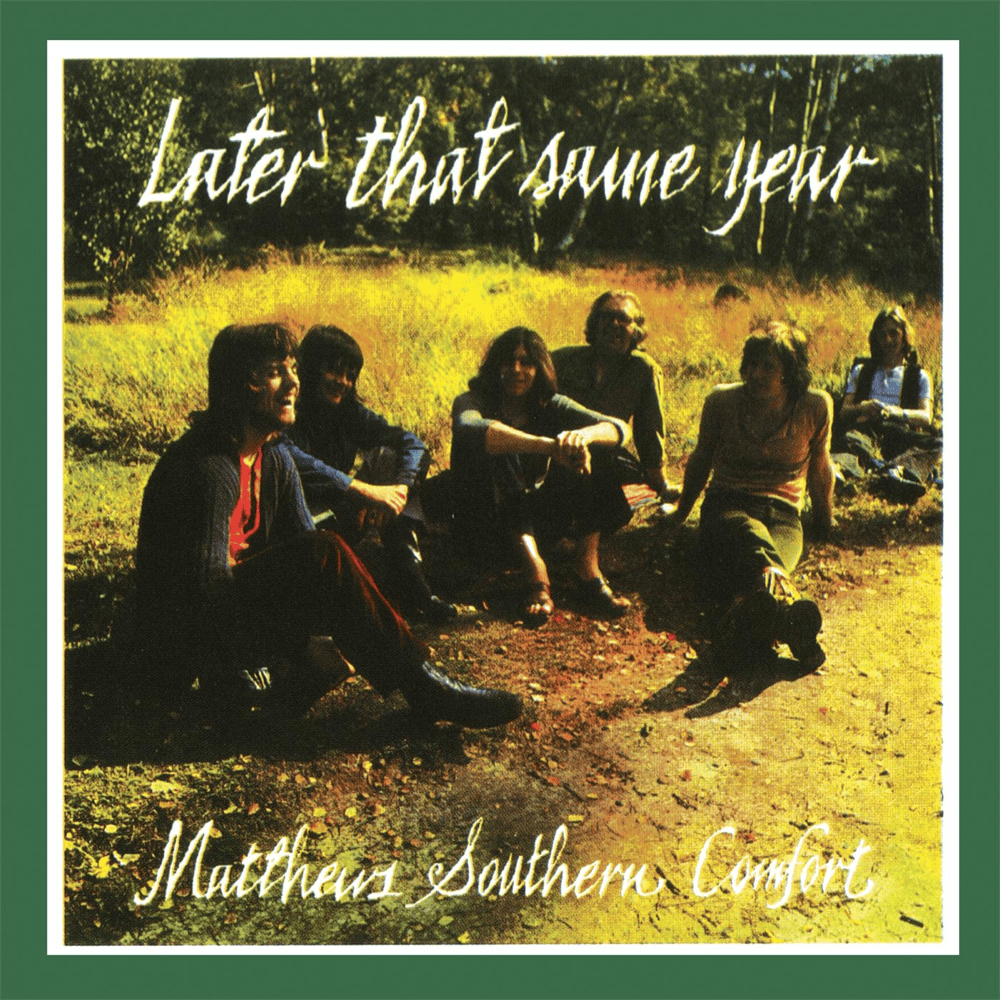
 View Artist