Song Meaning
The lyrics paint a stark picture of a life lived on the fringes, marked by hardship and displacement. The opening lines establish a profound connection to nature, not as a choice, but as a necessity born of having nothing else. The narrator's possessions are reduced to the bare essentials: the clothes on their back, a blanket, and the saddle of their horse, Mare. This imagery immediately grounds the listener in a world of scarcity and constant movement, setting a tone of weary resignation.
The central tension arises from the narrator's desire for a return to a place of belonging, contrasted with a past that has clearly led to their current outcast status. The mention of jail time and being run out of town on a rail highlights a history of conflict and societal rejection. The phrase "god-forsaken trail" underscores the painful and isolating nature of their recent experiences, making the plea for Mare to take them home all the more urgent and desperate.
The most striking element is the repeated, almost incantatory invocation of "Mare take me home." This refrain functions as a desperate prayer, a plea for salvation from a life of wandering and suffering. Mare, the horse, is elevated beyond mere transportation; she becomes the sole confidante and the vehicle for redemption. The repetition emphasizes the narrator's singular focus and the overwhelming need for this return, transforming the horse into a symbol of hope and a potential pathway back to peace.
Ultimately, the effectiveness of these lyrics lies in their unvarnished portrayal of a life stripped bare. The simple, direct language and the relentless focus on the desire for home create a powerful emotional resonance. The narrator's plight, though specific, taps into a universal yearning for security and acceptance, making the plea to Mare a poignant expression of profound vulnerability and a deep-seated need to find solace.
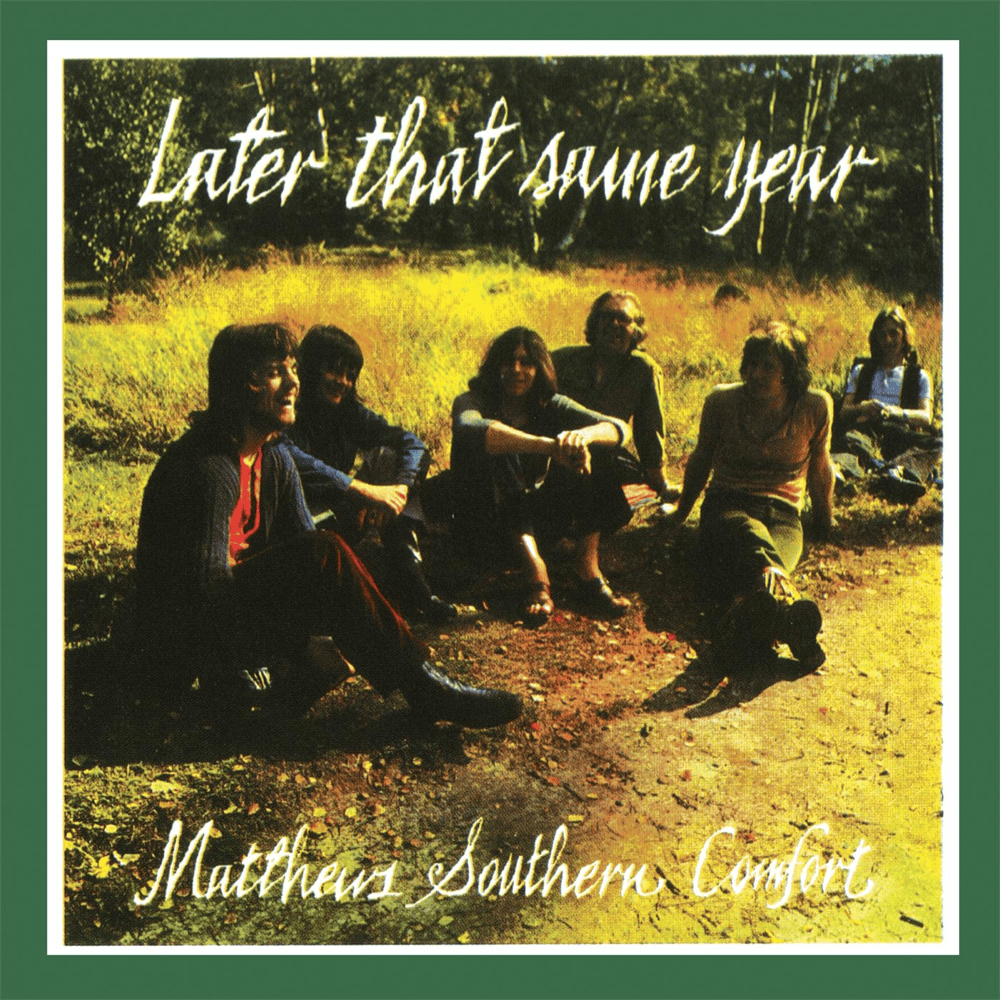
 View Artist