Song Meaning
The narrator uses extended metaphors of a ship returning to port and a bee returning to its hive to frame the departure and inevitable return of a loved one. These images establish a sense of natural cycles and inherent directionality, suggesting that the person being addressed, like these creatures, is bound by an internal compass leading them back home. The opening lines paint a picture of a journey that, while potentially vast and out of sight, is ultimately finite and destined for a specific destination.
The central tension lies in the narrator's conflicting desires: a wish to "imprison" the loved one, acknowledging the pain of their absence, versus the understanding that true freedom is necessary for their return. This isn't about possession but about recognizing that the urge to explore and be free must be satisfied for the relationship to endure. The narrator grants this freedom, opening the "cage" and letting the pigeon fly, trusting in the inherent pull back home.
The most striking craft element is the direct address to the "pigeon," personifying the loved one as a creature with an innate drive for freedom. The repetition of "Fly, pigeon fly" acts as both an encouragement to embrace their independence and a gentle command, a plea woven into the very act of release. The lyrics suggest that this outward journey, this "windblown sky," is precisely what will eventually lead them to "see" the value of returning.
This lyrical approach is effective because it grounds a potentially painful separation in reassuring natural imagery and a hopeful, almost inevitable, conclusion. The narrator’s understanding and acceptance of the loved one’s need for freedom, coupled with the certainty of their return, creates a complex emotional landscape of longing, trust, and quiet confidence. It’s this blend of vulnerability and faith that makes the plea to "come on home to me" resonate.
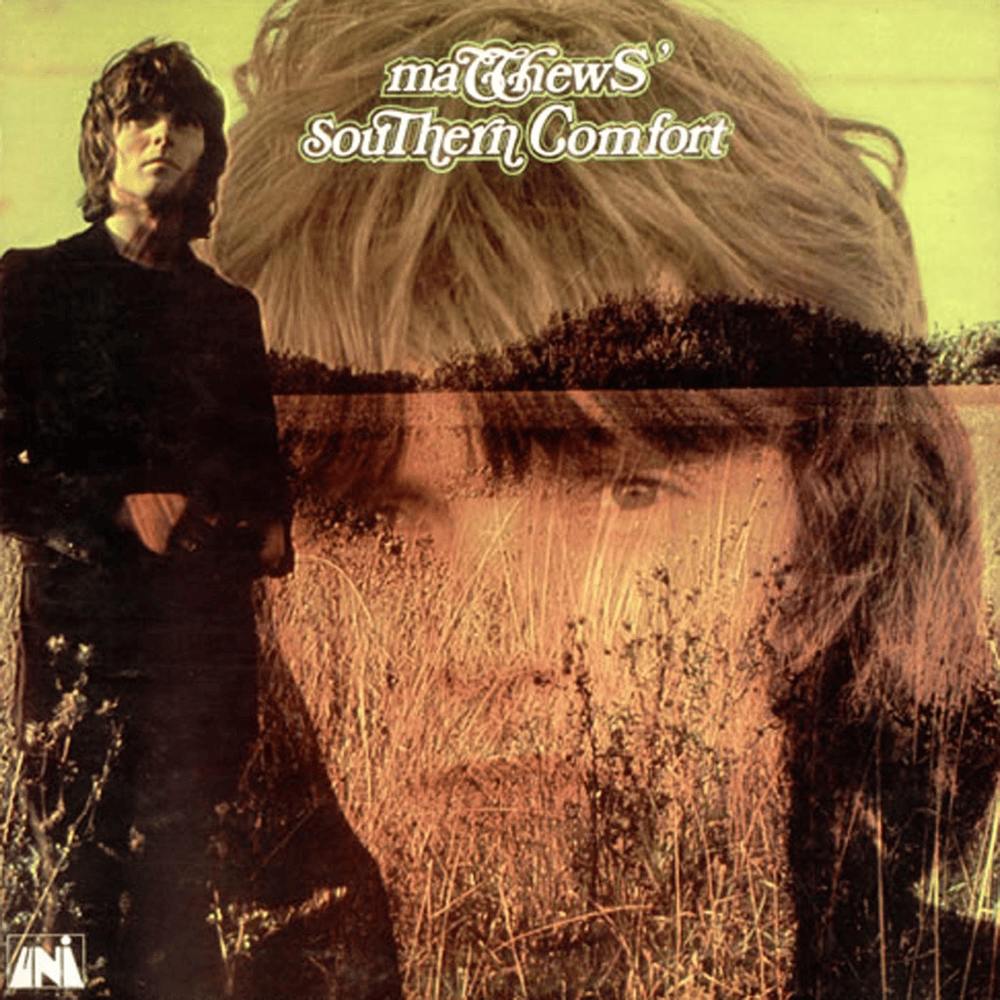
 View Artist