Song Meaning
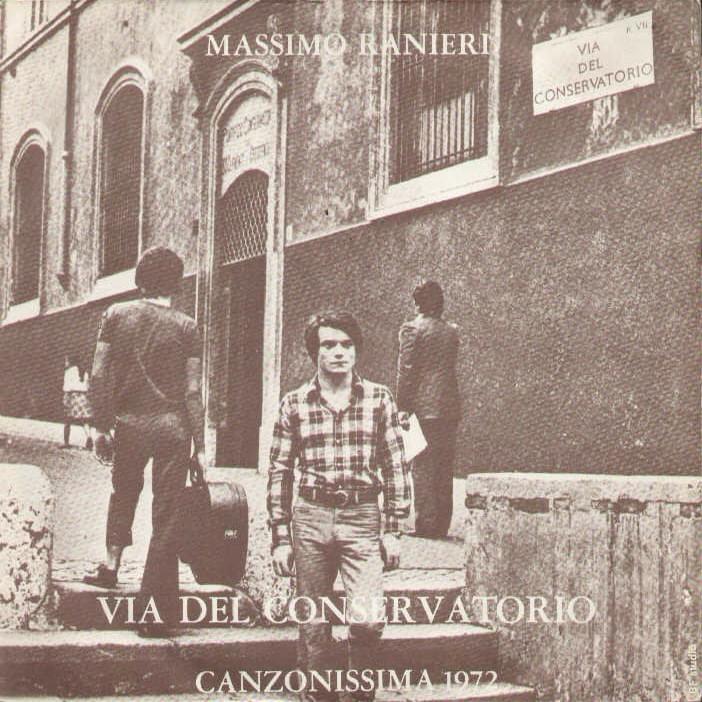
Massimo Ranieri's "Via del Conservatorio" isn't just a song; it's a poignant snapshot of a life at a crossroads, framed by the seductive allure of music and the weighty expectations of family and tradition. The lyrics paint a vivid picture of a young boy drawn to the sounds emanating from a conservatory, a sacred space where dreams are nurtured and talent is honed. That initial encounter, described with almost religious reverence (“Era l'ora dell'ave maria”), plants a seed of longing deep within his soul. The music doesn't just reach him; it burrows into his heart, becoming an intrinsic part of his being.
The core conflict arises from his father's intervention, a moment of heartbreaking pragmatism. The boy is told, in no uncertain terms, that his musical aspirations must be sacrificed for more practical concerns. The father's words, “Devi dare ai tuoi sogni l'addio,” are a brutal blow, forcing the young protagonist to confront the harsh realities of his circumstances. He has responsibilities, duties that outweigh his personal desires. This creates a profound internal struggle, a tension between artistic passion and familial obligation that resonates throughout the song. The professor's counterpoint, that music is the soul, offers a glimmer of hope, a reminder that the artistic spirit, once ignited, can never truly be extinguished.
Years later, the adult reflects on this pivotal moment. He acknowledges the path he chose, guided by duty and perhaps necessity (“Un uomo va finchè lo vuole iddio”). Yet, the pull of the conservatory remains, a bittersweet ache in his memory. The lyrics suggest a life lived, perhaps successfully, but always with a sense of what could have been. The man, now older, returns to the "Via del Conservatorio", drawn back to the source of his youthful dreams. The music he hears now is tinged with melancholy (“una musica dolce morire”), a poignant reminder of the path not taken. The repeated refrain, “Dentro di te la musica un'anima è,” serves as both a lament and a testament to the enduring power of art to shape and define us, even when we are forced to abandon its pursuit.
 View Artist