Song Meaning
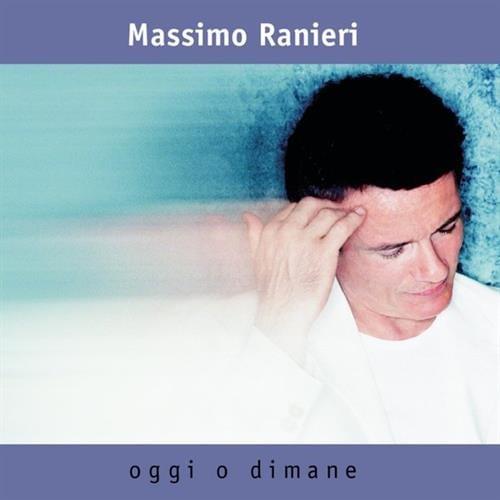
Massimo Ranieri's "Napulitanata" unfolds as a concentrated burst of Neapolitan longing, less a story than a sustained, almost breathless ode to a pair of captivating eyes. The lyrics, steeped in rich imagery, paint a portrait of eyes that are both dreamlike ("uocchie de suonno") and intensely passionate, possessing a sweetness compared to honey. These aren't just pretty eyes; they're a source of profound emotional impact, capable of igniting a fire within the speaker's chest. The gaze itself becomes an act of profound communication, transcending the need for words, hinting at hidden sorrows. In essence, the song captures the raw, visceral power of attraction and the pain that often accompanies it.
The song's emotional core lies in the duality of these eyes. They are described as opening and closing with the flowers, suggesting a delicate, ephemeral beauty. Yet, they are also "ciuri de passione" – flowers of passion – imbued with the intense feelings of lovers. This contrast highlights the vulnerability inherent in love, the way something beautiful and seemingly innocent can also be a source of deep pain. The speaker acknowledges being hurt by these eyes, recognizing their power and the knowledge they possess. This isn't a simple lament; it's an acknowledgment of the captivating and destructive force of desire.
Ranieri’s performance, no doubt, elevates the simple lyrics into something more profound. The repetition of "M'avite fatto male, e lu ssapite / Uocchie de suonno, nir appassiunate" (You hurt me, and you know it / Dreamy eyes, passionate black) emphasizes the cyclical nature of this emotional experience. It's a recognition that the pain is inextricably linked to the beauty, the allure, and the very essence of these captivating eyes. "Napulitanata" becomes a testament to the enduring power of a single, unforgettable gaze, a microcosm of the intoxicating and sometimes devastating nature of love itself.
 View Artist