Song Meaning
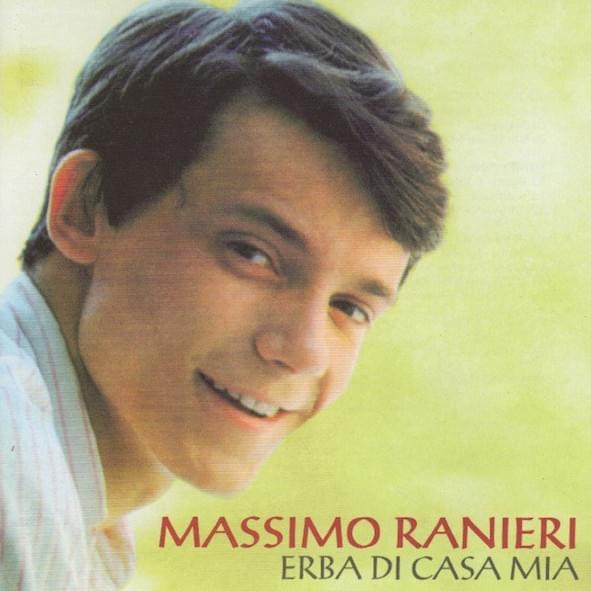
Massimo Ranieri's "Erba di casa mia" isn't just a sentimental stroll down memory lane; it's a poignant reflection on lost innocence and the bittersweet passage of time. The recurring phrase, "Erba di casa mia" (the grass of my home), acts as an anchor, grounding the singer in a past filled with youthful exuberance and nascent love. The lyrics evoke a sensory landscape of childhood freedom – the hurried meals, the thrill of kicking a ball, the whispered declarations of love. This idyllic scene is abruptly disrupted by the stark realization of impermanence. The line, "Come un acerbo fiore finì la tua canzone" (like an unripe flower your song ended), suggests a premature loss, a love cut short, leaving an indelible mark on the narrator's psyche.
The song's emotional core resides in the tension between the yearning for a return to that untainted past and the acceptance of life's inherent transience. The lyrics acknowledge the cyclical nature of time, with the recurring motif of "un'altra primavera" (another spring), a symbol of hope and renewal that remains perpetually out of reach. This creates a sense of melancholic resignation, a feeling that the original joy can never be fully recaptured.
Faced with this reality, the singer adopts a pragmatic approach: "Per questo dalla vita prendo quello che da" (For this reason, I take from life what it gives). This isn't a celebration of hedonism, but rather a conscious decision to embrace new experiences, even if they are tinged with the knowledge that they may never replicate the purity of that initial love. The concluding lines, "Amare un'altra volta / Ecco cosa farò / Mi illuderò che sia / L'erba di casa mia" (To love again / That's what I'll do / I'll delude myself that it is / The grass of my home), reveal a poignant self-awareness. The singer knows that any future love will inevitably be measured against the idealized memory of the past, a bittersweet illusion that sustains him even as it acknowledges the impossibility of true replication. "Erba di casa mia" becomes a metaphor for that unattainable ideal, a reminder of what was, and a yardstick for what might be.
 View Artist