Song Meaning
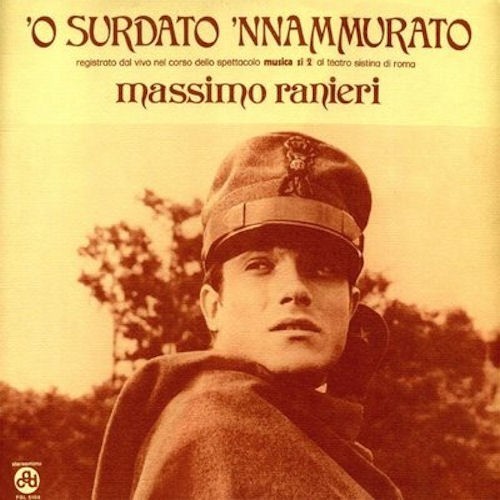
Massimo Ranieri's "Chiove" isn't just a song; it's a visceral portrait of beauty wrestling with oblivion. The relentless rain ("chiove...chiove...chiove...") isn't mere weather; it's an oppressive force, a symbol of unrelenting sorrow and the inexorable passage of time toward death. At the heart of this deluge is a woman, a figure of almost mythical resilience, who sings even as she succumbs to illness and edges closer to death.
The central paradox of "Chiove" lies in this act of singing. The woman is likened to a canary ("'a canaria"), a creature known for its beautiful song, even as it's caged. She's also equated with Love itself ("ll'Ammore"), suggesting that love's essence persists, creating new songs even in the face of mortality. This isn't a naive optimism, but a hard-won acceptance, a defiant act of creation against a backdrop of decay. The lyrics hint at a Madonna-like figure singing a lullaby "pe' n'angiulillo 'ncroce" (for a little angel on the cross), deepening the theme of suffering and redemption, of finding solace and purpose even in profound pain.
The repeated exclamation, "Giesù, ma comme chiove!" (Jesus, how it rains!), is not just an observation but a cry of anguish, a recognition of the overwhelming nature of suffering. Yet, even within this lament, there's a sense of wonder, a recognition of the sublime beauty inherent in the woman's defiant song. "Chiove" ultimately explores the human capacity to find meaning and create beauty even in the face of death, suggesting that love and art can transcend even the most profound suffering. The song meaning resides in the delicate balance between despair and hope, a testament to the enduring power of the human spirit.
 View Artist