Song Meaning
The lyrics paint a vivid picture of youthful adventure and the exhilarating feeling of conquering mountains. The opening lines immediately immerse us in a world of physical exertion and sensory experience: "młodą piersią chłonąć wiatr" (with a young chest to absorb the wind) and "Prężnymi stopy deptać chmury" (with strong feet to tread on clouds). This isn't just hiking; it's a bold, almost defiant engagement with nature, a physical assertion of vitality against the elements. The imagery of "palce ranić o szczyty Tatr" (fingers to wound on the peaks of the Tatras) underscores the commitment and the willingness to endure hardship for the sake of the experience.
The core tension emerges in the recurring refrain: "Hejże hej, hejże ha / Żyjmy więc póki czas / Bo kto wie, bo kto wie / Kiedy znowu ujrzę was." This chant of living in the moment is directly juxtaposed with an underlying awareness of transience and potential separation. The "was" (you) remains ambiguous, hinting at friends, loved ones, or perhaps even past versions of themselves. This creates a poignant undercurrent of urgency, a reminder that these peak experiences, and the people sharing them, might not last forever.
The lyrics masterfully contrast the intensity of the journey with the warmth of homecoming. After the ruggedness of the peaks, the return to "dolin" (valleys) and "progi swe" (one's own thresholds) is met with the welcoming sight of "Przyjaciół jasne twarze" (friends' bright faces). This shift from solitary or group exertion to communal joy highlights the cyclical nature of adventure and belonging. The line "O młoda duszo, raduj się!" (Oh young soul, rejoice!) acts as an invocation, a direct command to embrace this fleeting happiness, further emphasizing the theme of seizing the present.
Ultimately, the effectiveness of these lyrics lies in their ability to capture the potent blend of youthful exuberance and a nascent understanding of mortality. The vivid, active verbs and the expansive natural imagery create an intoxicating sense of freedom and possibility. Yet, the persistent question of "Kiedy znowu ujrzę was" (When will I see you again?) injects a profound emotional weight, transforming a simple ode to adventure into a powerful anthem for cherishing time and connection while it lasts.
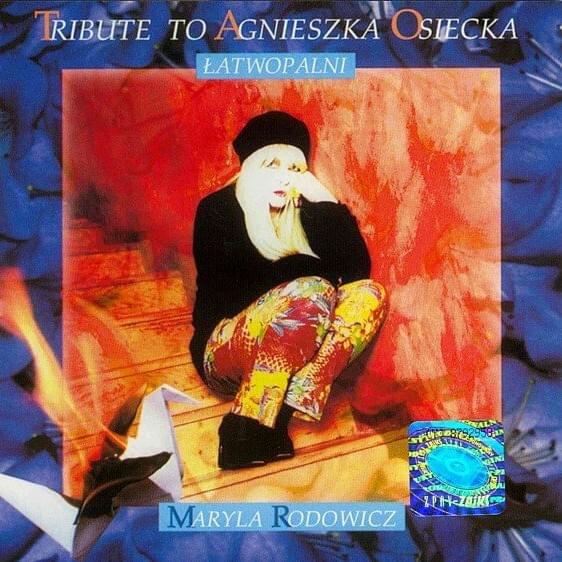
 View Artist