Song Meaning
The lyrics paint a stark picture of predetermined existence, where actions are dictated by an inescapable cycle. The opening lines, "We were born in this life / We will do what we can," immediately establish a sense of fatalism, suggesting a limited agency. This is underscored by the imagery of "ticking of clocks" and "grains of sand," emphasizing the relentless passage of time and the futility of trying to grasp or control it. The repeated, almost taunting question, "Who told you you can?" followed by the definitive "You cannot," serves to crush any notion of individual ambition or deviation from a prescribed path.
The central tension arises from the forced dichotomy presented: "Follow the hounds / And run from the fox." This creates a feeling of being caught between two opposing forces, where escape is impossible and the roles are rigidly defined. The second verse deepens this sense of ingrained suffering, stating, "We will never forget / How to be in pain / How to get lost in a room / How to drown in the rain." This suggests a learned helplessness, a deep-seated capacity for misery that is almost a core identity. The narrator’s dismissive "Who told you I care? / I do not" further isolates them, refusing to engage with the prescribed roles or the suffering of others.
The most striking aspect of the craft is the inversion of the expected narrative in the final lines. While Verse 1 sets up the chase dynamic, Verse 2 shifts the narrator's stance: "Follow the hounds / Or follow the fox." This isn't about choosing a side in the chase; it's a rejection of the entire premise. The narrator declares they will follow neither, detaching themselves from the predetermined conflict and the pain associated with it. This subtle but powerful shift from active participation in the chase to passive refusal highlights a profound sense of resignation and detachment.
This detachment is what makes the lyrics so potent. The writing doesn't offer solace or a path to freedom; instead, it articulates a bleak acceptance of inescapable cycles and ingrained pain. The stark, declarative sentences and the absence of emotional appeals create a chilling effect, leaving the listener with a sense of profound isolation and the unsettling realization that sometimes, the most powerful statement is simply refusing to play the play the game at all.
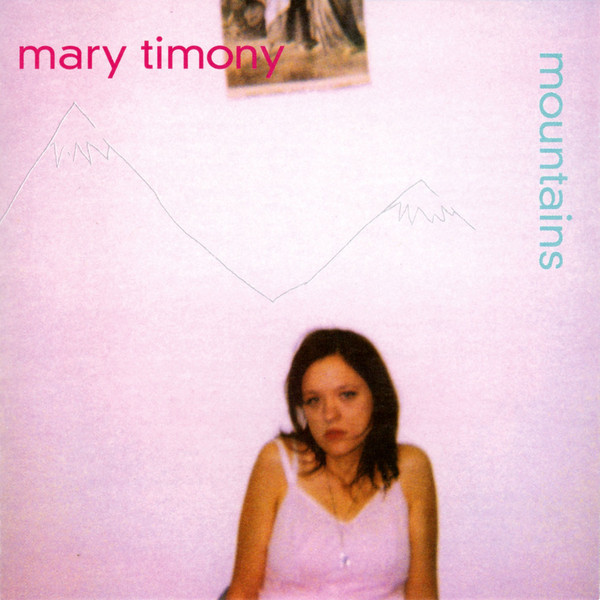
 View Artist