Song Meaning
The lyrics paint a stark picture of societal decay, personified by a "Poison Moon" that seems to illuminate a world drowning in its own self-inflicted ignorance. The narrator implores this "curious moon" to "shine tonight" and make the "dark world of truths bright," suggesting a desperate desire for clarity amidst widespread delusion. This moon, however, appears to be a malevolent force, "calling to you" and overseeing a procession of the lost – the "schizoid sons and the sluts" and the "idiots" who march "under the moon."
The central tension lies in the paradox of willful ignorance and shared humanity. The lyrics state, "Ignorance has got us down / So far, we smother in the underground / Because we want to," implying a conscious choice to remain unaware. Yet, this same group, the "idiots," are also described as having "love just the same as all of you do," highlighting a complex, perhaps tragic, shared experience beneath the surface of societal judgment. The narrator grapples with this, questioning if one "has to live in a world of nails" and "leave your soul in an empty pail."
The most striking craft element is the recurring "Poison Moon" motif, which acts as a dark, alluring beacon. It's not just a passive observer but an active agent, "calling to you." This moon presides over a world where "misery has got us down" and where even a child's struggle is met with suspicion: "Its funny how he's struggling to show a sign / He must be lying!" This suggests a profound societal breakdown where genuine distress is dismissed, and a perverse fascination with suffering, amplified by the "Poison Moon," takes hold.
The effectiveness of these lyrics stems from their unflinching, almost nihilistic portrayal of a society that actively chooses its own demise. The contrast between the desire for truth and the embrace of ignorance, coupled with the haunting image of the "Poison Moon" guiding the lost, creates a potent, unsettling atmosphere. The narrator's own experiences, including seeing "the bomb, it's been my best friend," indicate a deep-seated trauma and disillusionment that mirrors the broader societal malaise, making the plea for the moon to "shine tonight" feel less like a request for enlightenment and more like an acknowledgment of a shared, inescapable darkness.
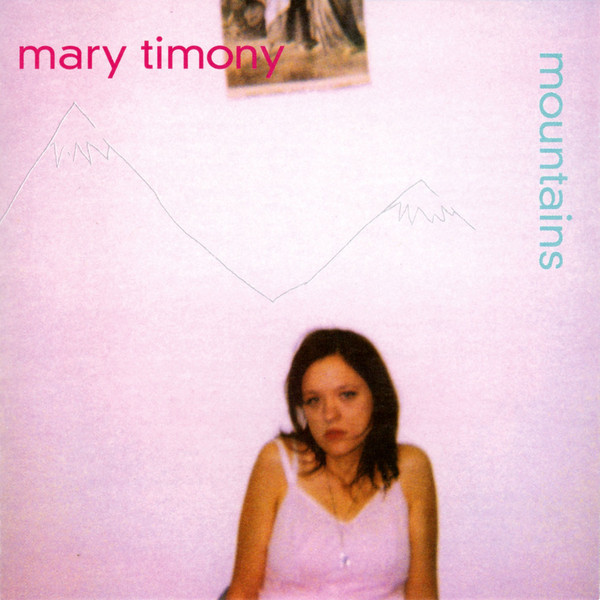
 View Artist