Song Meaning
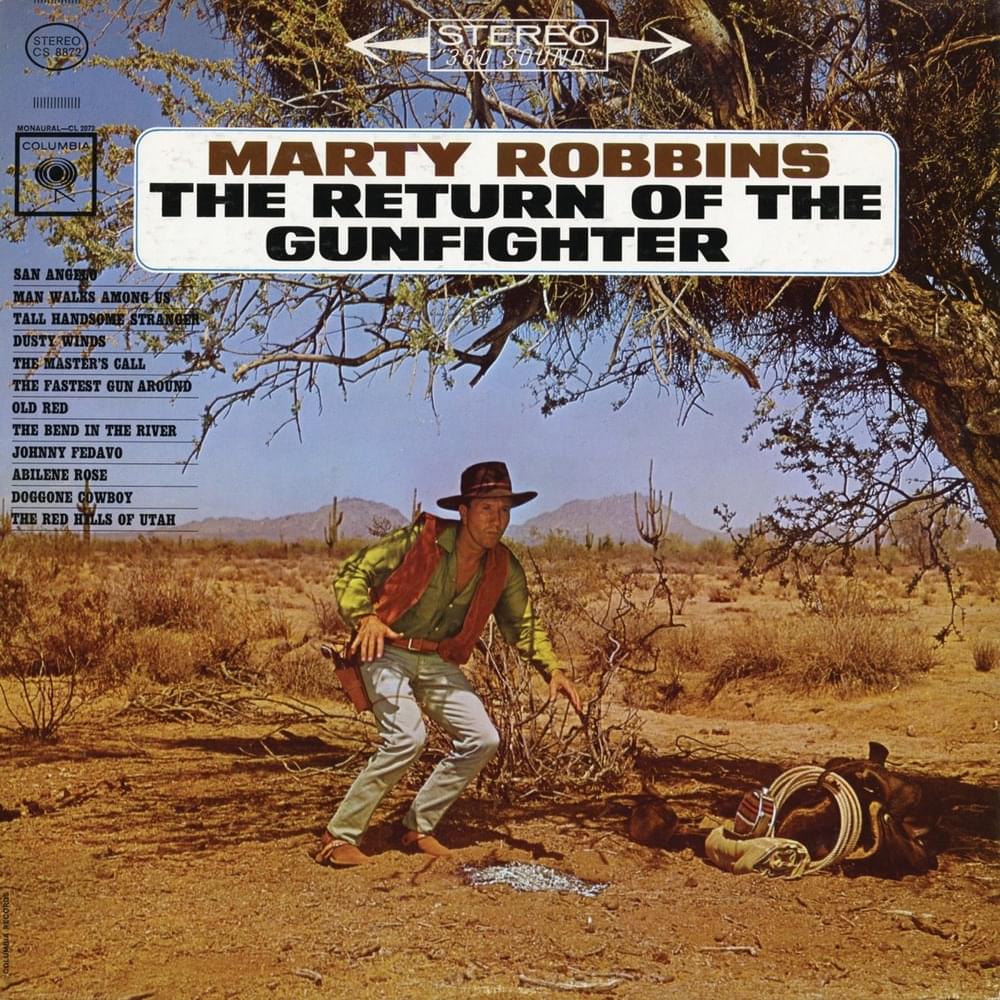
Marty Robbins' "The Bend in the River" operates as a deceptively simple, yet profoundly melancholic meditation on the elusive nature of fulfillment. The recurring motif of the unseen bend, both in the river and on the desert horizon, serves as a potent metaphor for the perpetually receding promise of satisfaction. It speaks to a fundamental human drive, the endless pursuit of 'something more,' which ironically keeps us from appreciating the present. The lyrics paint a portrait of a restless soul, forever chasing a mirage of contentment that remains perpetually just out of reach. Robbins captures the inherent paradox: the very act of seeking fulfillment becomes the barrier to attaining it.
The imagery of the river and the desert hills is particularly effective. Rivers, traditionally symbols of life's journey, become here a symbol of circularity, an endless repetition of bends that offer no true destination. The desert hills, stark and unforgiving, amplify the sense of isolation and relentless striving. Robbins masterfully uses landscape to mirror the internal state of the protagonist – a vast, empty terrain punctuated only by the nagging call of the unattainable. This geographical barrenness reflects the emotional aridity of a life lived in constant anticipation.
The interlude featuring the mourning dove provides a poignant contrast. While the protagonist is consumed by his Sisyphean quest, the dove finds solace and connection in simple, present love. The dove's 'true love' serves as a painful reminder of what the protagonist is sacrificing in his relentless pursuit. It raises the question: is the grand quest worth forgoing the simple joys of human connection? The final verse, with its conditional 'If I find love to my liking,' reveals the inherent flaw in the protagonist's approach. He seeks love only after exhausting all other avenues, suggesting a fundamental misunderstanding of its organic, often unexpected nature. He will leave the river bend behind *if* he finds something better, but that day may never come.
 View Artist