Song Meaning
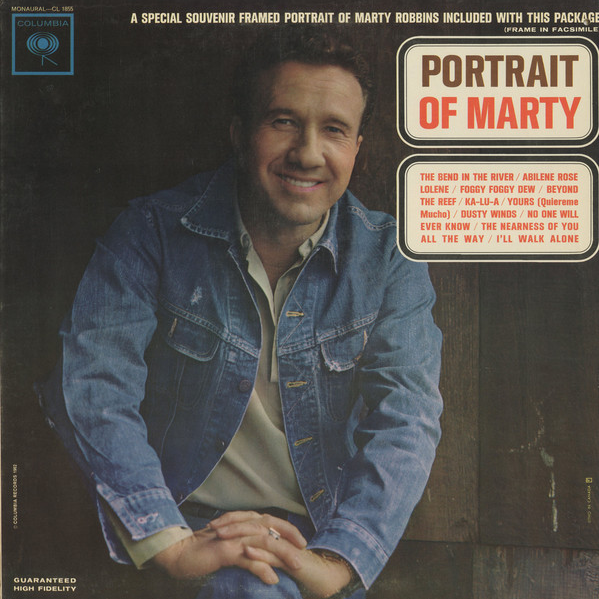
{"song_id": 15470674, "meaning": "Marty Robbins' \"Lolene\" isn't just a country ballad; it's a stark excavation of desire, regret, and the crushing weight of time. The song meaning hinges on the narrator's chronological journey through love, beginning with youthful innocence and escalating into a morally fraught obsession. Robbins masterfully uses the progression of relationships – Sally, Wynona, Sara – as markers of the narrator's evolving understanding of love and intimacy. Each encounter builds upon the last, culminating in the forbidden allure of Lolene. The earlier relationships, painted with broad strokes, serve as a stark contrast to the intense, albeit doomed, connection with Lolene. They represent stages of growth, but also a growing capacity for a dangerous, transgressive desire.
The tragedy of \"Lolene\" resides in the narrator's belated awakening. He meets the titular character when he's already past his prime, \"five and thirty-five,\" a detail that underscores his awareness of his own fading youth and the inappropriateness of his feelings. The lyrics analysis reveals a man caught between the vibrancy of life and the impending awareness of mortality. Lolene, whose name itself is described as music, embodies a youthful energy that ignites his blood, yet her youth is precisely what makes the relationship impossible. The phrase \"Compared to me, you're but a child,\" is not just a statement of fact, but a profound acknowledgement of the ethical chasm separating them.
The song's climax is a bittersweet farewell, a recognition that some desires, however powerful, must be suppressed. The narrator's decision to part ways with Lolene is not presented as heroic, but rather as a reluctant acceptance of societal boundaries and the limitations of age. The final verses, tinged with melancholy, suggest a life lived with a growing sense of what could have been, haunted by the intoxicating, yet ultimately unattainable, Lolene. The song is a painful meditation on how the timing of love can be as crucial, and as cruel, as love itself."}
 View Artist