Song Meaning
Marty Robbins' "People's Valley" paints a stark picture of a love suspended in time, a pastoral elegy for a relationship left to wither. The valley itself transforms into a psychological landscape, mirroring the narrator's internal state. It's not merely a geographical location but a repository of shared memories, now tinged with the bitterness of abandonment. The opening lines establish this immediately: roses unbloomed, a silent mill wheel, a brook's mournful echo – nature itself reflects the absence of the beloved and the joy they once shared. The mockingbirds' refusal to sing becomes a potent symbol of grief, suggesting that even the natural world mourns the vanished harmony.
The lyrics pivot on the agonizing wait. The narrator clings to a promise, a year-old vow whispered before the departure. The repetition of waiting – "You asked me if I'd wait…I watch the trail and wait" – emphasizes the torment of anticipation. The green grass, once a symbol of vibrant life and renewed beginnings, becomes a cruel reminder of a promise unfulfilled. The narrator's vigil is not simply about physical return; it’s a desperate hope for emotional resurrection. The valley, once a sanctuary, is now a prison of longing, each familiar landmark a fresh wound.
Ultimately, "People's Valley" is a masterclass in subtle emotional excavation. It avoids melodrama, instead opting for a quiet, haunting portrayal of hope and despair. The song's power lies in its ability to evoke a sense of suspended animation, a relationship caught between memory and possibility. The final lines, "When you're driftin's done I'll be in People's Valley," offer a fragile glimmer of hope, but the listener is left with the unsettling sense that the valley, like the narrator's heart, may never fully recover its bloom.
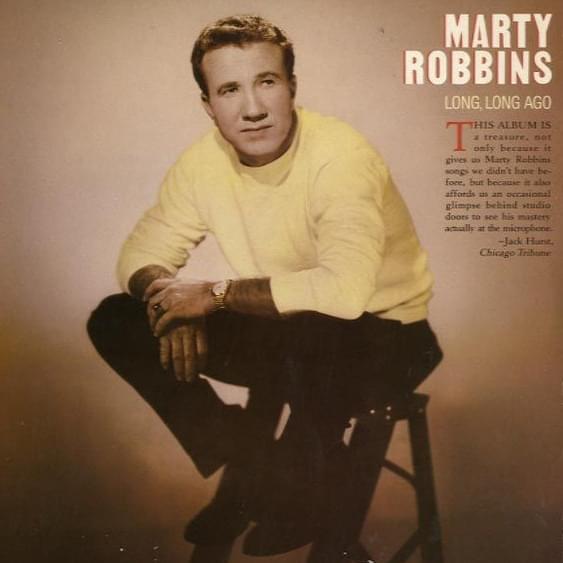
 View Artist