Song Meaning
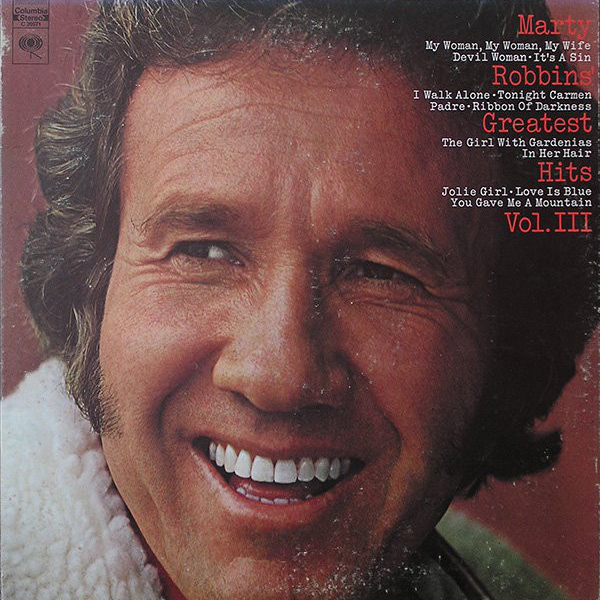
{"song_id": 15470925, "meaning": "Marty Robbins's \"Ribbon of Darkness\" isn't just heartbreak; it's a masterclass in melancholic atmosphere. The recurring title phrase acts as both a literal description of depression and a metaphorical shroud, suffocating the singer after a lost love. Robbins doesn't just tell us he's sad; he immerses us in a sensory experience of despair. The clouds, the chilling air, the absence of sunlight – these are all external manifestations of an internal state. It's the psychology of grief made sonically palpable. The 'ribbon' itself suggests something constricting, a binding force that's not easily shaken.
The song meaning deepens with the contrast between past joy and present suffering. The meadow, once a site of idyllic romance, is now soaked in rain. The world, once vibrant with spring, flowers, and birdsong, is now consumed by darkness. This juxtaposition amplifies the sense of loss, highlighting what was and what will never be again. It’s a common emotional response to idealize the past when grappling with a painful present. Robbins taps into this psychological tendency, making the listener viscerally feel the weight of his nostalgia.
But it's the raw vulnerability in the bridge that truly exposes the song's core. The desire to 'be dyin' to forget you' is a desperate plea, a surrender to the overwhelming pain. It’s a sentiment that veers close to the edge, hinting at the potential for self-destruction when grief is left unchecked. The final verse is a direct address to the departed lover, a last-ditch effort to appeal to her empathy. 'How I wish your heart could see' – it's a line that encapsulates the frustration of unrequited love and the longing for connection that defines the human condition. The repetition of 'Come on back and take away / Ribbon of darkness over me' is not just a lyrical refrain; it's a mantra of hope, however faint, in the face of crushing despair."}
 View Artist