Song Meaning
Marty Robbins' "Oh, How I Miss You (Since You Went Away)" isn't a complex lyrical puzzle, but its emotional directness is the key to its enduring appeal. The song operates on a bedrock of raw, unadorned longing. It's a primal scream of absence, a portrait of the immediate aftermath of loss. The simplicity of the language, phrases like 'I lost my sunshine,' underscores the universality of the experience. It's not about the *reasons* for the separation, but the gaping hole left behind. This isn't a story; it's a feeling. The repetition of the title phrase acts as a mournful mantra, driving home the depth of the singer's pain.
The imagery, while straightforward, is effective. The shift from 'blue skies' to 'gray' is a classic representation of emotional desolation, but Robbins delivers it with sincerity that cuts through any potential cliché. The focus on the lost lover's physical attributes – 'blue eyes,' 'sweet smiling face' – highlights the concrete nature of the missing presence. It's not just an abstract idea of love that's gone; it's the tangible reality of a specific person, their unique features now achingly absent. This specificity grounds the song in a relatable human experience, making it more than just a generic expression of sadness.
Ultimately, "Oh, How I Miss You (Since You Went Away)" succeeds because it taps into the fundamental human need for connection and the pain of its disruption. The lyrics analysis reveals a heart laid bare, vulnerable and unashamed in its expression of need. It's a testament to the power of simple language to convey profound emotion, a reminder that sometimes the most affecting art is the most direct.
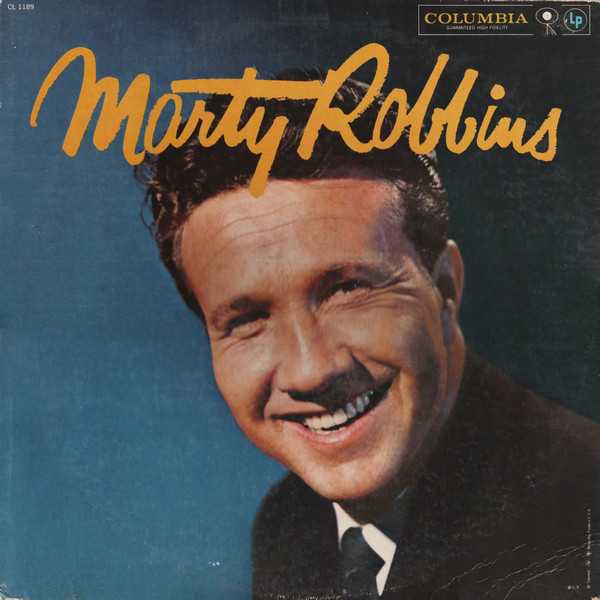
 View Artist