Song Meaning
{"song_id": 15470488, "meaning": "Marty Robbins' \"Jodie\" isn't just a love song; it's an exploration of idealized projection, a dive into the deep end of infatuation where the object of affection becomes a vessel for the singer's desires and salvation. The lyrics drip with an almost unnerving level of devotion, portraying Jodie as an angelic being descended from \"Heaven to make me happy.\" This isn't about earthly connection; it's about filling a void, a desperate need for light in the face of \"dark and lonely\" days. The language borders on the hyperbolic, suggesting a love born not from genuine interaction but from a pre-existing longing. Robbins paints Jodie not as a person, but as a cure. This raises questions about the singer's internal landscape. What is he escaping from? What pain is he trying to soothe by creating this Madonna-like figure in his mind?
The constant references to Jodie as an \"angel\" and \"the sweetest flower that Heaven ever grew\" reinforce the idea that she's been elevated beyond human status. The claim that \"I have loved you though we've never meet before\" is particularly telling. It hints at a fantasy, a love constructed in the absence of reality. This isn't about discovering someone's flaws and loving them anyway; it's about projecting perfection onto a blank canvas. The lyrics suggest a preemptive idealization, a defense mechanism against future disappointment. He has decided she is perfect before really knowing her, thereby insulating himself from the messy realities of human relationships.
Ultimately, “Jodie,” through Robbins' earnest delivery, reveals the dangerous allure of idealized love. The insistence that his \"arms could never hold another\" because his \"love is only for you\" speaks to a kind of possessive devotion, a desire to keep Jodie frozen in this state of perfection. The song's meaning lies not just in the surface-level declaration of love, but in the psychological undercurrents of need, projection, and the inherent risks of building a relationship on a foundation of fantasy rather than authentic connection. It's a portrait of how loneliness can drive us to create gods out of mortals, setting them up for an inevitable fall from grace."}
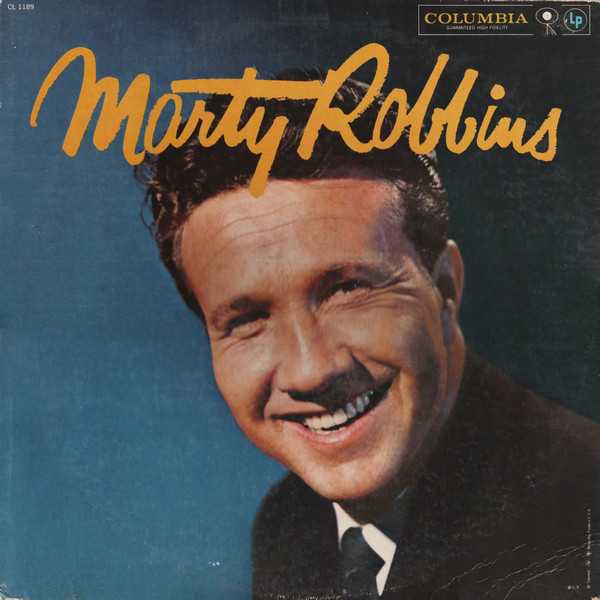
 View Artist