Song Meaning
This song paints a vivid picture of a parent's hopeful anticipation for their child's future, focusing on the profound love that fuels this vision. The narrator expresses a deep desire to witness every milestone, from the quiet moments of nurturing to the joyful expressions of life. The repeated imagery of the child sleeping, walking, talking, and smiling underscores a tender, almost sacred, expectation of growth and happiness.
The core tension lies in the parent's desire to shape the child's character and worldview, particularly their understanding of love and freedom. The narrator intends to teach the child how to live in a world where "nobody belongs to anyone," suggesting a philosophy of independence and shared humanity. This is balanced by the specific instruction to "only sing in Tom Maior," a musical reference that seems to imply a particular, perhaps elevated or joyful, way of expressing oneself.
The most striking element is the juxtaposition of universal parental hopes with a specific, almost coded, instruction. The vision of a "better Brazil" is tied directly to the child's ability to "love freedom" and sing in "Tom Maior." This suggests that personal growth and societal progress are intrinsically linked, and that the child will embody this connection through a specific, perhaps musically inspired, approach to life.
Ultimately, the lyrics resonate because they capture the powerful, forward-looking love of a parent. The detailed, yet concise, projections of the child's life – from napping to singing in a specific musical key – create an intimate portrait of aspiration. It’s this blend of tender observation and earnest instruction that makes the narrator’s vision so compelling and emotionally rich.
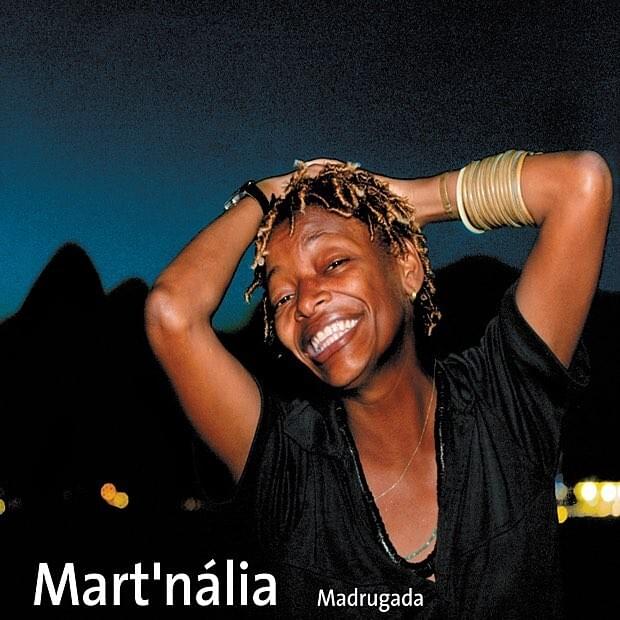
 View Artist