Song Meaning
The narrator is fed up with a manipulative ex who keeps trying to return with insincere apologies and declarations of need. The opening lines immediately dismiss the ex's predictable script, calling it "teatro barato" and "impostor." The narrator has heard it all before and is no longer swayed by the ex's "chantagens de amor." The emotional tone is one of weary defiance, a stark contrast to the ex's supposed despair.
The core tension lies in the ex's desperate plea to be taken back, claiming they "não pode mais viver sem mim" and that life is "ruim demais" without them. This comes after a past of neglect, implied by "largas/longas noites sem dormir." The narrator, however, sees through the performance, recognizing the pattern and the hollowness behind the words. The ex's claims of needing the narrator are framed as a desperate attempt to fill their own void.
The most striking aspect is the repeated phrase "Sem perdão a vida é triste solidão." This isn't just about the ex's sadness; it's the narrator's own realization that a life without setting boundaries, without withholding forgiveness from this particular person, leads to a profound and isolating emptiness. The ex's presence, even in their attempts to reconcile, brings "ultrapassa meu portão," invading a space that was previously "vazio e sem razão" but is now being reclaimed by the narrator's resolve.
This lyrical construction is effective because it grounds the emotional exhaustion in concrete, relatable scenarios of relationship manipulation. The narrator’s sharp dismissal and the stark pronouncement of "triste solidão" create a powerful sense of self-preservation. It’s the quiet strength found in recognizing a toxic pattern and choosing a solitary peace over a performative reunion, making the ex's pleas feel pathetic rather than persuasive.
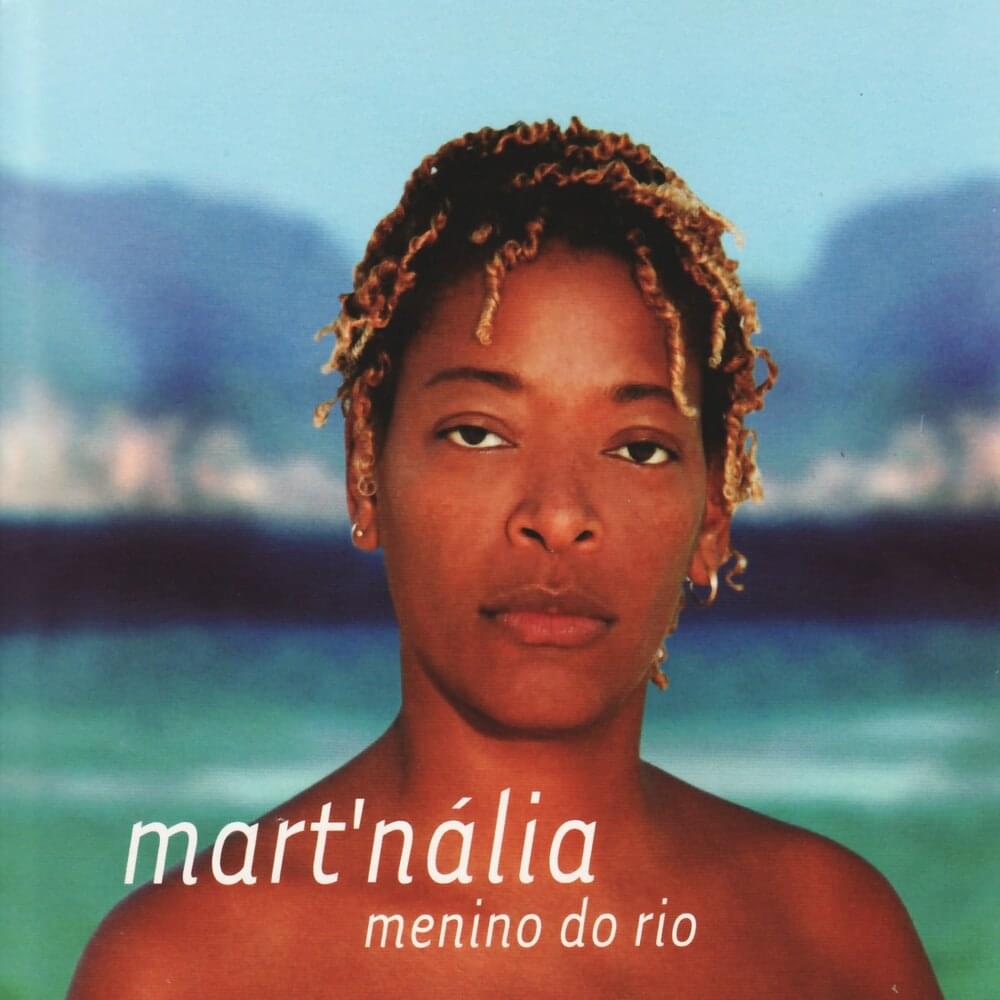
 View Artist