Song Meaning
The lyrics paint a picture of a life lived freely, almost aimlessly, before a significant encounter. The narrator describes a state of simply "being around," experiencing the world through a series of sensory and active verbs: "looking, feeling, loving and walking," "dancing, drinking, running, leaving and staying." This initial phase is characterized by an embrace of spontaneity, even in less-than-ideal conditions like "taking rain." It suggests a person comfortable in their own skin, unburdened by strict plans or expectations, just moving through life.
The central tension arrives with the introduction of another person, who is also described as being "around." This shared state of casual existence sets the stage for an unexpected connection. The narrator details the captivating qualities of this new person, using a string of descriptive adjectives that highlight both their allure and their assertive nature: "beautiful, busty, fragrant, pedantic, stubborn." This meeting isn't a dramatic event but a natural convergence, implying that their paths crossed organically within this shared, unanchored existence.
A fascinating shift occurs as the narrator reflects on the impact of this encounter, referencing a "past love" that seems to have resurfaced or influenced the present. This past love is described as having "invaded, already painted and embroidered other lives," and "sautéed my soul with weeds." This imagery suggests a complex, perhaps even destructive, emotional history that the new person has brought into the narrator's life. The narrator acknowledges being won over by this figure, calling them "Molambo, blessed, beautiful princess, beautiful one who conquered me."
Ultimately, the lyrics convey a sense of acceptance and resilience, even in the face of emotional turmoil. When circumstances change, leaving the narrator "without a roof," they frame it not as a disaster but as an "excuse for you to stick around." The recurring phrase "But it's okay, you were around too" acts as a grounding refrain, suggesting that the shared experience of simply existing, of being "around," is enough to navigate these complexities. The narrator's embrace of their "Malandro, street" identity, coupled with a belief that "everything is possible," reinforces a philosophy of rolling with life's punches and finding value in the present moment and the connections made within it.
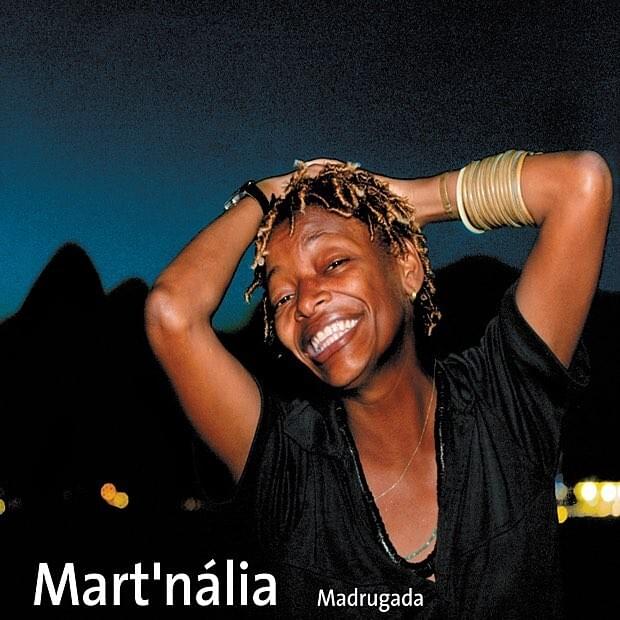
 View Artist