Song Meaning
The lyrics paint a stark picture of pervasive sorrow and decay. We open with a weeping man, his heart heavy with broken love, and flowers wilting, a potent image of beauty lost. This initial scene sets a tone of deep melancholy, where even nature reflects human heartbreak. The narrator observes a populace stripped of pride, hands idle, unable to create, and a visceral, almost animalistic desire unmet, leaving a bed cold and empty. It’s a world where passion clashes with profound loneliness.
The verses then shift to a more specific, devastating kind of pain: a young person facing an incurable illness, a diagnosis that seals their fate. This personal tragedy is amplified by the cacophony of voices spewing blasphemy and lies, suggesting a world that offers no solace, only judgment and falsehoods. The mention of 'lost memories' and 'suffering Nigeria' broadens the scope, hinting at collective trauma and historical wounds that cast long shadows.
The craft here is in the relentless accumulation of bleak imagery, each line a hammer blow of despair. The structure, a series of short, declarative statements, creates a sense of inevitability, like a list of grievances or unavoidable truths. The final couplet, "Um corte nos versos / Reversos da vida," acts as a stark, almost clinical pronouncement, framing these individual and collective pains as the very 'reversals' or harsh realities of existence. It’s a powerful, unflinching look at suffering, presented without sugarcoating or easy answers.
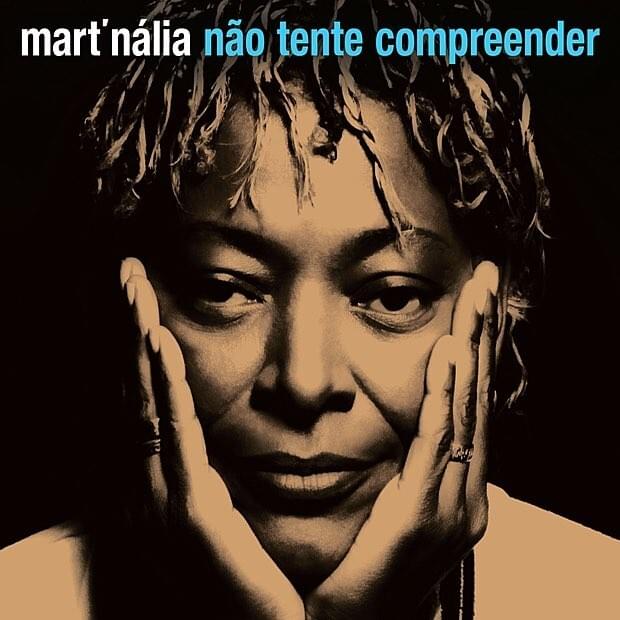
 View Artist