Song Meaning
This song is a vibrant declaration of identity rooted in samba and a specific neighborhood. The narrator immediately establishes samba not just as a passion but as an intrinsic part of her being, stating, "O samba corre em minhas veias." It's presented as a formative "escola" (school), referencing legendary figures like Candeia, Paulinho da Viola, D. Ivonne, and Martinho, who provide inspiration, solace, and emotional uplift. This deep connection to samba is framed as the source of her happiness and a fundamental aspect of her emotional landscape.
The core tension lies in the assertion of belonging and pride, particularly to "Vila" and being "filha da Anália." This isn't just a geographical marker; it's a cultural inheritance and a source of self-respect. The lyrics convey a sense of earned wisdom and resilience, suggesting that those who come from this environment "aprende mais cedo" (learn earlier). The phrase "Malandro não vem, que não tem" (A trickster doesn't come, because there isn't one) reinforces a community ethos that values authenticity and perhaps a certain kind of street smarts over deceit.
The craft shines in its directness and the evocative imagery of samba as a living force. The contrast between the "bacharéis" (bachelors/intellectuals) on the streets and the wisdom gained "no chopp gelado, do ponto sem réis" (in cold beer, at the free bus stop) highlights a different kind of knowledge – one forged in everyday life and community. The repeated line "Modesta a parte quem nasce na Vila / Aprende mais cedo" acts as a refrain, emphasizing the unique, accelerated education received from this specific environment, a place of "versos e revéis" (verses and comebacks).
Ultimately, the lyrics resonate because they articulate a profound sense of place and cultural heritage as the bedrock of selfhood. The narrator finds contentment and identity through samba and her neighborhood, presenting it as an unshakeable truth. It’s a celebration of roots, community wisdom, and the enduring power of musical tradition to shape who we are, making the personal narrative feel like a universal anthem for belonging.
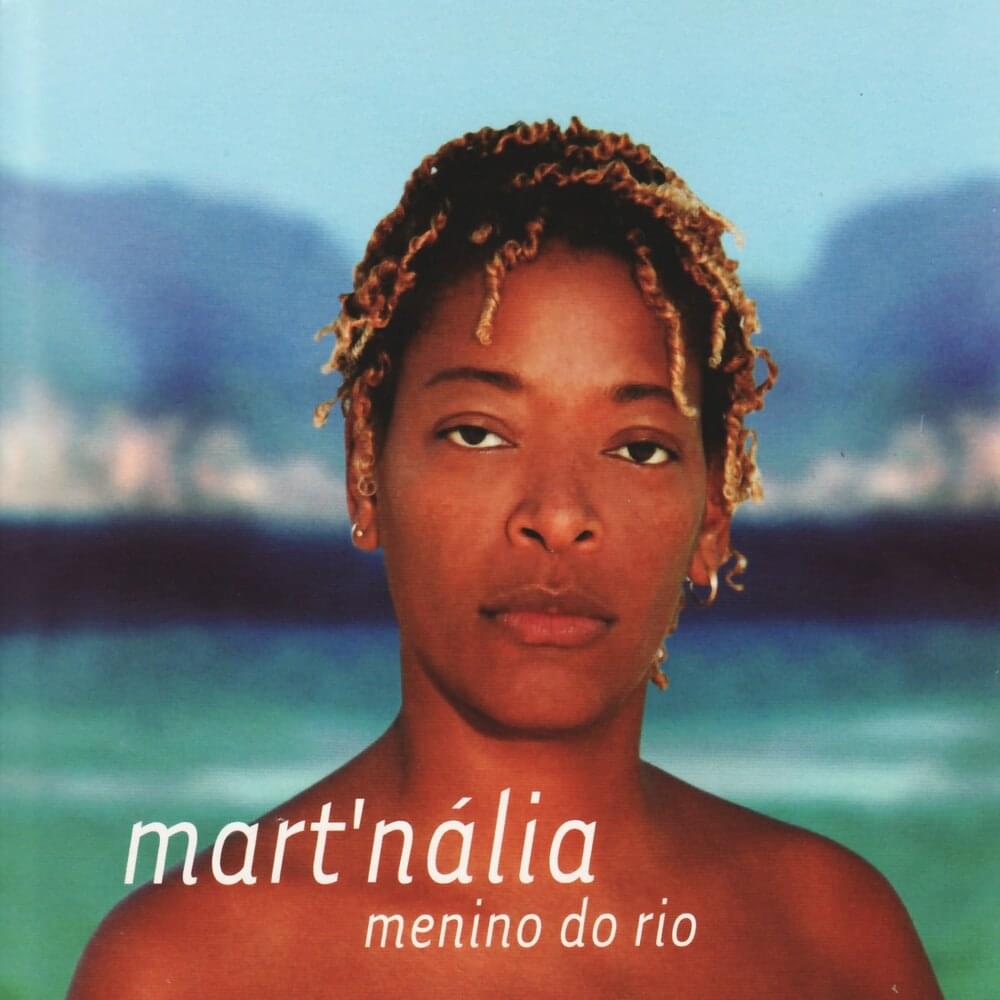
 View Artist