Song Meaning
This track captures the intoxicating pull of a specific person, framing them as the sole source of joy and fulfillment. The narrator admits to pretending to understand their partner's "signs," suggesting a deliberate choice to overlook potential complexities or ambiguities in the relationship. This act of willful ignorance is tied directly to a profound fear of loneliness, making the presence of this person feel like an all-or-nothing proposition. The lyrics paint a picture where life's value is measured by its proximity to this individual.
The central tension lies in the narrator's overwhelming dependence on this one person for happiness. The phrase "ou nada mais" (or nothing else) is stark, highlighting a potential imbalance where personal contentment is entirely contingent on the partner's presence and approval. The repetition of "a solidão, ninguém queria" (loneliness, no one wanted) underscores the desperation to avoid solitude, a fear that seems to fuel the narrator's fervent embrace of the relationship, regardless of its potential flaws.
The writing shines in its simple, direct declarations of emotional states. The image of "presentes numa lua clara" (gifts under a clear moon) offers a romantic, almost dreamlike quality to the affection received, contrasting with the more pragmatic, almost desperate need to avoid loneliness. The repeated refrain, "E estar feliz a nada se compara" (And being happy is incomparable), acts as a powerful, almost mantra-like affirmation of the relationship's perceived value, solidifying its central place in the narrator's world.
Ultimately, the effectiveness of these lyrics stems from their raw portrayal of emotional dependency. The narrator isn't analyzing the relationship's health; they are simply stating its profound impact. The fear of loneliness is palpable, making the joy derived from the partner feel both precious and precarious. It’s a potent depiction of how one person can become the entire universe for another.
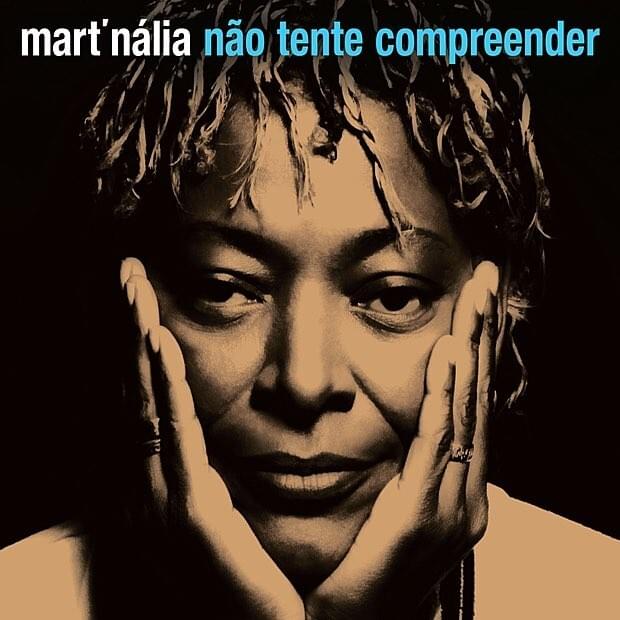
 View Artist