Song Meaning
The lyrics paint a picture of someone asserting their agency and desire within a relationship, emphasizing presence and choice. The opening lines, "Quero te ver / Quero dizer / Que eu te quero," immediately establish a direct, confident approach to expressing affection and commitment. This isn't about passive longing; it's about active declaration and the power to choose one's position, "se estou aqui / É porque sei também posso seguir." This sets a tone of self-possession and intentionality.
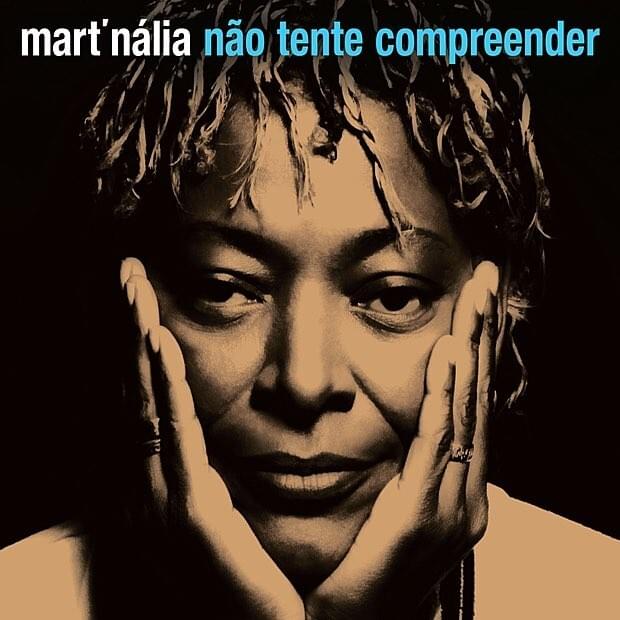
The central tension arises from the repeated refrain, "Não tente compreender / Onde a gente se perdeu." This suggests a relationship that has faced difficulties or moments of confusion, but the narrator chooses not to dissect the past. Instead, there's a preference for embracing the present feeling of longing, "Melhor não ter a certeza / Do que sentir saudade," implying that a clear understanding of what went wrong might be less valuable than the emotional resonance of missing someone or something.
The lyrics then shift to a more optimistic, almost horticultural metaphor for love: "O amor é um dom / Uma semente jogada no chão / É só regar para colher." This highlights the nurturing aspect required for a relationship to flourish, suggesting that consistent care and attention over time will yield positive results. It frames love not as a mystery to be solved, but as a garden to be tended, where effort directly leads to reward, "Todo cuidado com o tempo dá."
Ultimately, the effectiveness of these lyrics lies in their blend of assertive declarations and a gentle plea for emotional acceptance over intellectual analysis. The narrator advocates for focusing on the feeling and the effort, rather than getting lost in the complexities of how things became broken. The closing lines, "Não tente compreender / Pra não confundir / Não deixe o coração partir," reinforce this idea, urging a focus on emotional preservation and present care, suggesting that overthinking can be detrimental to the heart.
 View Artist