Song Meaning
This track opens with a sense of arrival and personal transformation. The narrator declares, "Demorou, mas veio" (It took a while, but it came), immediately establishing a feeling of long-awaited fulfillment. The line "Quem renasceu fui eu" (It was I who was reborn) emphasizes a profound internal shift, suggesting a period of waiting or struggle has finally yielded a new beginning. The heart is "cheio" (full), overflowing with a sense of divine wonder, as the "esplendor dos mistérios de deus" (splendor of god's mysteries) is now apparent.
The lyrics then pivot to a more specific context, hinting at a relationship. The narrator states, "Ela agora é minha" (She is now mine), a possessive claim that follows the acknowledgment that "Muita gente não creu" (Many people didn't believe). This suggests external doubt or skepticism about this union. However, the narrator's unwavering "fé" (faith) is what ultimately "value"d them, implying that their steadfast belief was instrumental in achieving this outcome.
The core tension lies in the contrast between external perception and personal experience. While others "podem ter visto também" (may have seen it too) and recognized the "imenso valor" (immense value), the narrator insists that "só se deu para mim mais ninguém" (it only happened for me, no one else). This highlights a deeply personal victory, one that required patience and a unique understanding. The concluding line, "Tem que saber esperar pelo amor" (You have to know how to wait for love), serves as a quiet, earned wisdom, a testament to the power of perseverance in love and life.
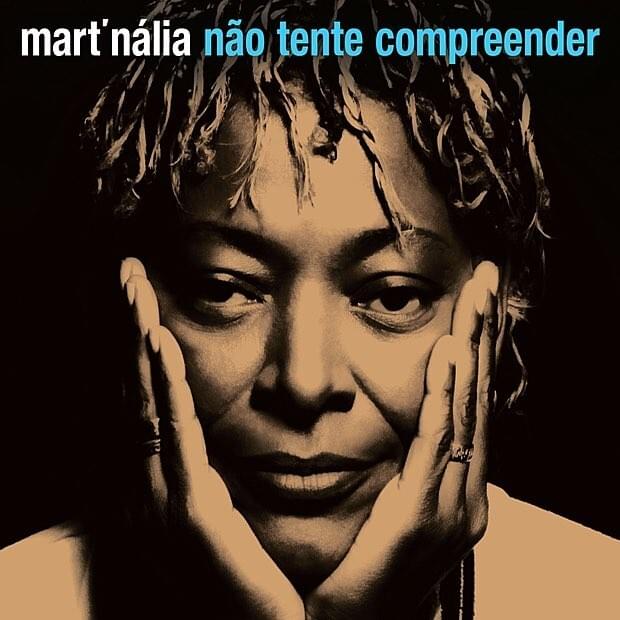
 View Artist