Song Meaning
The lyrics paint a vivid picture of the "Tribo dos Carajás" under a full moon, where a "menina moça" (young woman) holds authority. The scene is one of communal harmony and deep connection to the land, with the tribe dancing while the chief reflects on their ancestral dominion over the continent. Their existence is defined by a respectful, almost reverent, relationship with nature – fishing rivers, breathing the air, and respecting the sky, all while harboring a fear of the sea.
This idyllic existence is abruptly disrupted by the arrival of the "homem branco" (white man), whose stated intentions are progress and development. The lyrics starkly contrast this with the indigenous people's fate: their war songs are sung, they refuse enslavement, yet they are vanishing from the Earth. This highlights a profound tragedy, where external forces of 'progress' lead to the erasure of a people and their way of life.
The recurring "Aruanã!" acts as an invocation, a cry of identity and perhaps a lament. The phrase "Aruanã açu" signifies a "great feast," but in the context of the tribe's disappearance, it takes on a poignant, almost elegiac tone, representing a grand celebration of a people who are fading away. The lyrics suggest that this vanishing is not a natural decline but a direct consequence of the colonizing presence, which fundamentally altered their world and their future.
Ultimately, the power of these lyrics lies in their stark portrayal of a lost paradise and the quiet devastation that followed. The contrast between the tribe's deep respect for nature and the colonizer's drive to "build, progress, and tame" underscores the immense cultural and environmental cost of such encounters. The fading "Aruanã" becomes a haunting echo of a vibrant culture on the brink of extinction.
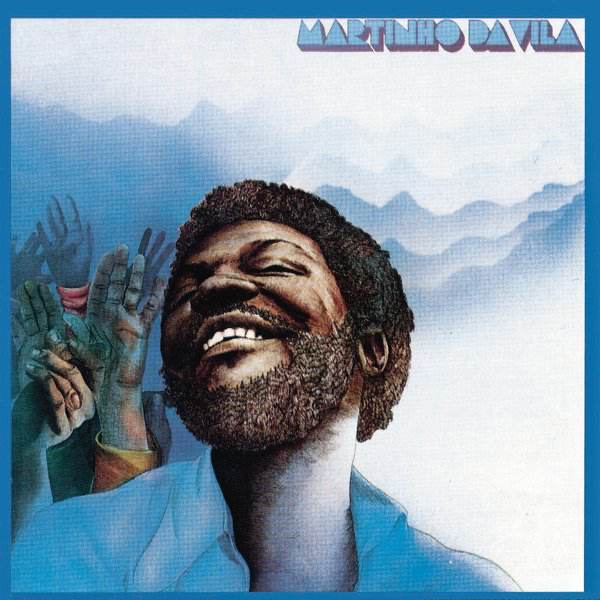
 View Artist