Song Meaning
This track captures the dizzying rush of new love, framing it with a hyper-immediate, almost desperate intensity. The narrator compares their infatuation to that of a teenager, swept away by a kiss and feeling utterly lost without their beloved. This initial declaration sets a tone of overwhelming passion, where existence itself seems to hinge on the presence of the other person. The repeated line, "Sem você eu nada sou," hammers home this feeling of complete dependence and the exhilarating terror of such profound connection.
The central tension arises from this intense need for reciprocation and salvation, expressed through urgent pleas. The narrator is "dying of love" and begs for a "mouth to mouth" rescue, a vivid image suggesting a life-or-death dependency on the lover's affection. This isn't just a crush; it's a plea for survival, highlighting the all-consuming nature of this newfound romance. The desire for "beautiful love" and to "delight" underscores a yearning for a deep, sensual connection that can pull them back from the brink.
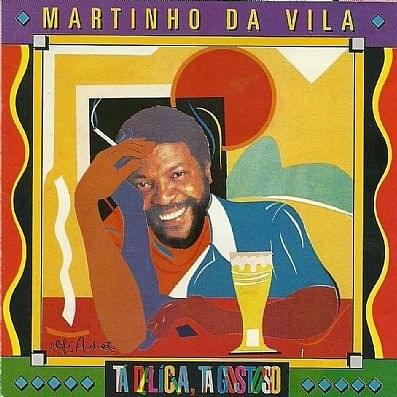
The lyrics employ a striking contrast between the narrator's vulnerability and the lover's perceived power. The lover is described as a "female in heat," a primal, almost animalistic image, while the narrator positions themselves as a "dengoso" (coy/spoiled) male, eager to please. This dynamic is amplified when the lover whispers "Tá delícia, tá gostoso" (It's delicious, it's tasty), a phrase that is both sensual and possessive. The repetition of "Tá, tá, tá" mimics a heartbeat or a satisfied sigh, grounding the abstract feelings in a visceral, rhythmic expression of pleasure.
Ultimately, the song's effectiveness lies in its unvarnished portrayal of infatuation's extremes. It bypasses subtle hints for direct, almost raw declarations of need and desire. The blend of adolescent intensity with mature sensuality creates a potent cocktail, making the listener feel the intoxicating, slightly terrifying thrill of being completely consumed by love. The repeated affirmations of "É amor, é paixão" and "a dona do meu coração" solidify the feeling that this isn't just a fleeting moment, but a profound claim on the narrator's entire being.
 View Artist