Song Meaning
The lyrics paint a vivid picture of clinging to what one has, whether it's material possessions, relationships, or happiness itself. The opening lines urge the listener to "hold onto everything" that's been gained and anything that isn't excessive, immediately establishing a theme of preservation. This isn't just about holding on, though; it's about actively securing these things, particularly love, by offering "love and loyalty" to avoid a lonely end in "the block of saudade." The narrator seems to be advising a proactive approach to maintaining what's precious.
The central tension arises from the contrast between holding on and the narrator's own need for independence. While advocating for securing relationships and daily bread through hard work, the narrator also asserts a personal right: "I also have the right / To play my tamborim." This suggests a potential conflict where the desire to hold onto everything might clash with individual freedom and expression, hinting that possessiveness could be a flaw. The phrase "avareza é um defeito" (stinginess is a defect) directly calls out this potential negative trait.
The repeated imperative "Segure" (Hold on/Secure) acts as a powerful anchor, driving home the core message of retention. However, the shift in the latter half, where the narrator claims their own right to "play my tamborim," introduces a crucial counterpoint. This assertion of personal agency and the critique of "avareza" suggest that while holding on is important, it shouldn't come at the expense of one's own identity or freedom, creating a nuanced perspective on possession and selfhood.
Ultimately, the effectiveness of these lyrics lies in their direct, almost urgent tone, coupled with the subtle introduction of personal boundaries. The advice to secure happiness and love is compelling, but the narrator's own declaration of independence adds a layer of relatable complexity, reminding us that even in holding tight, there's a need to maintain one's own rhythm and voice.
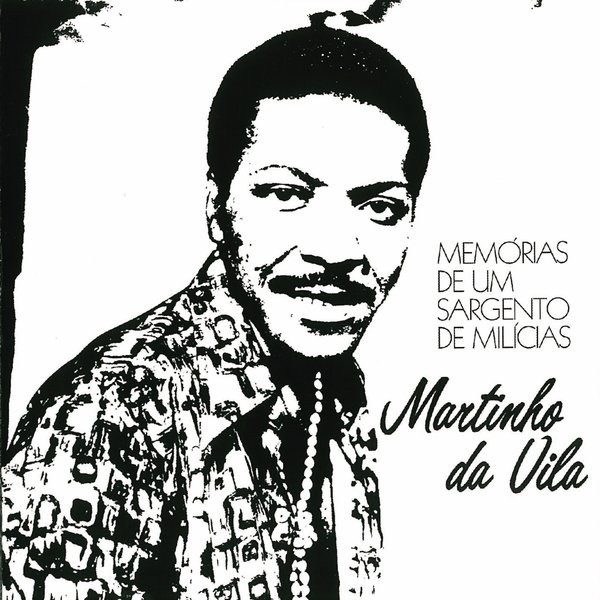
 View Artist