Song Meaning
The lyrics open with a rhetorical question, "Dinheiro pra que dinheiro?" (Money for what money?), immediately setting up a contrast between material wealth and something more essential. The narrator suggests that without the attention of a specific "ela" (she), money is useless, implying a deeper emotional need. This is reinforced by the line, "Em casa de batuqueiro / Só quem fala alto é viola" (In a house of drummers / only the guitar speaks loudly), suggesting that genuine expression or connection, perhaps through music, is more potent than wealth.
The core tension arises from the narrator's shifting priorities and experiences. Initially, he felt "solitário" (lonely) and lacked romantic attention. The acquisition of a "viola" (guitar) dramatically changed this, bringing him "nega de qualquer lugar" (women from anywhere). This highlights the guitar as a tool for social and romantic success, seemingly more effective than money. However, the lyrics then pivot to a scenario where his money is taken, but he remains passive. The crucial point is his fierce reaction if his viola were taken: "não me segura / Porque eu vou brigar" (don't hold me back / because I will fight), underscoring the viola's paramount importance over financial security.
The most striking craft element is the repetition of "Dinheiro pra que dinheiro..." juxtaposed with the narrative arc. This refrain acts as a constant reminder of the narrator's core belief that money is secondary. The lyrics cleverly use the viola as a multifaceted symbol: it represents not just music and expression, but also social status, romantic appeal, and ultimately, something worth fighting for, far more than money itself. The shift from wanting to "canta samba até o sol raiar" (sing samba until sunrise) to needing to "Pegar a marmita para ir trabalhar" (grab lunch to go to work) at the end, while still questioning the need for money, adds a layer of weary pragmatism, suggesting that even with his priorities, life's demands persist.
Ultimately, these lyrics resonate because they articulate a desire for genuine connection and passion over material gain. The narrator's journey illustrates that while money can be lost and regained, the things that truly bring him joy and validation – represented by his viola – are priceless and fiercely protected. The writing effectively uses simple, direct language and a recurring refrain to drive home the message that true value lies not in wealth, but in what brings life its rhythm and meaning.
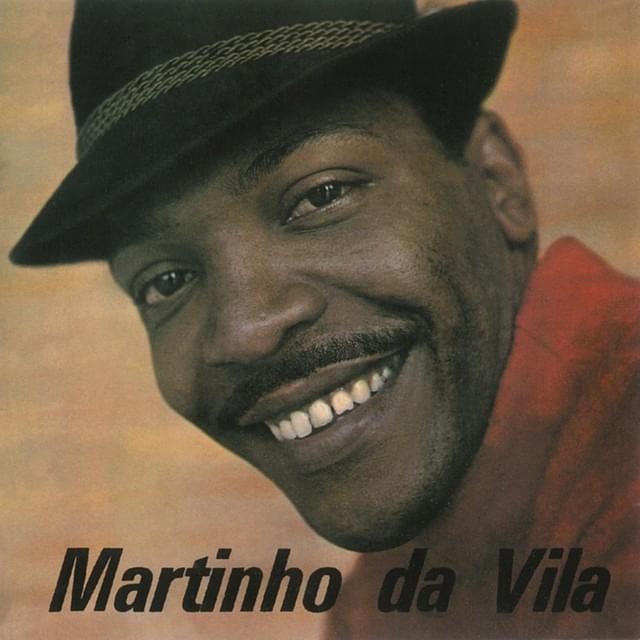
 View Artist