Song Meaning
The lyrics paint a picture of a country that is outwardly defined by its tropical climate, fertile land, and vibrant cultural expressions like carnival, football, and diverse musical instruments. There's an immediate sense of abundance and celebration, with imagery of "muito sol" and the promise that "plantando tudo aqui dá." This initial portrayal suggests a place brimming with life and natural resources, a seemingly idyllic setting.
However, this sunny facade quickly gives way to a more complex and stark reality. The text juxtaposes the celebratory elements with gritty, often illicit, aspects of life: "Motel pra transação," "feitiço na macumba," and a litany of marginalized living conditions like "Favelas, palafitas, Mocambos e musseques." This contrast highlights a deep societal tension, where vibrant culture coexists with hardship, informal economies, and darker undertones.
The narrator's perspective shifts dramatically towards the end, revealing a profound disillusionment. The seemingly positive "Que bom" is immediately undercut by the cynical observation that "Falta só mesmo é votar pra presidente / Sem participar." This points to a sense of political apathy or futility, suggesting that despite the country's natural beauty and cultural richness, a critical element for genuine progress is missing. The final lines, "Não vou ficar sempre assim / Tão sorridente," signal a personal withdrawal from the forced or superficial cheerfulness, indicating that the narrator can no longer maintain a happy facade in the face of these underlying issues.
What makes these lyrics resonate is their unflinching portrayal of duality. The writing doesn't shy away from presenting both the celebrated national identity and the harsh, often overlooked, social realities. This creates a powerful emotional arc, moving from a seemingly straightforward celebration of place to a nuanced critique of its complexities and the narrator's own disaffection, grounded in specific, evocative details of both joy and struggle.
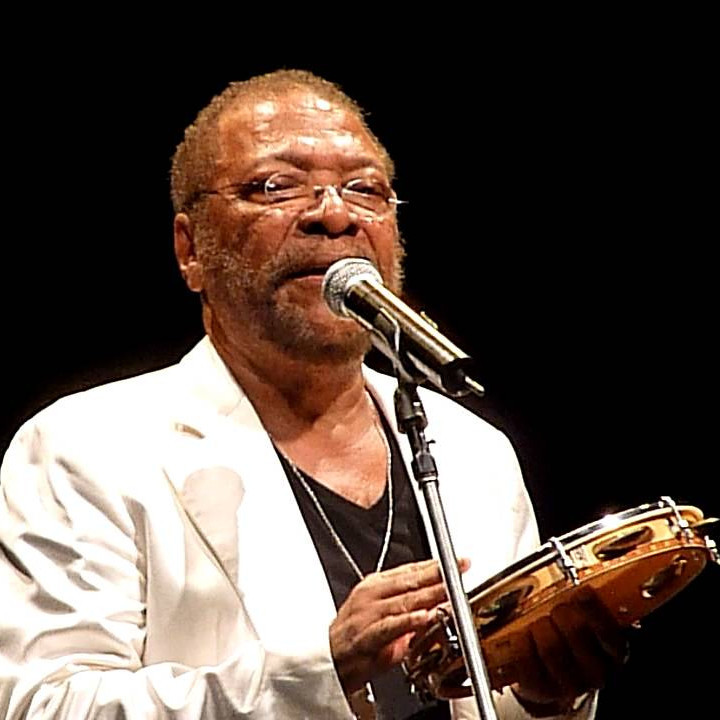
 View Artist