Song Meaning
The lyrics paint a vivid nocturnal scene, bathed in moonlight and set to a serenader's tune. A singer, accompanied by his guitar, confesses his deep affection from outside his lover's window. The dominant mood is one of romantic yearning and idealized devotion, a classic serenade under the stars.
The central tension lies in the singer's fervent admiration versus the object of his affection's apparent detachment or perhaps her independent spirit, hinted at by the phrase "malandrinha, não precisas trabalhar." He elevates her to a divine status, placing her "num altar" and calling her "a rainha dos meus sonhos," yet this intense idealization is juxtaposed with her seemingly carefree nature. The moonlit invitation to wander and the promise of a shared path suggest a desire for connection, but her implied self-sufficiency creates an interesting dynamic.
The craft here is in the romantic imagery and the contrast between the singer's passionate declaration and the subtle characterization of the beloved. The repeated emphasis on light – the "cor de prata" moon, the illuminated "estrada," her being "a luz" – underscores the singer's adoration. The comparison of the lover to a queen and a divine image highlights the depth of his feelings, while the specific mention of the "pinho" (a type of lute or small guitar) adds a touch of authentic musical detail to the serenade.
This song resonates because it captures the universal experience of idealizing a loved one and the sweet, almost desperate plea for shared moments. The singer's earnest confession, set against the backdrop of a romantic night and the gentle strumming of a guitar, evokes a timeless image of courtship. The lyrics effectively convey the power of a heartfelt song to express profound emotion, making the listener feel the serenade's intimate appeal.
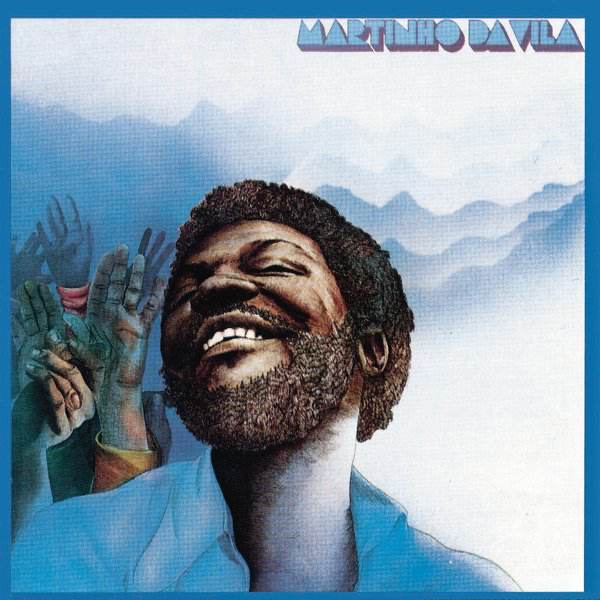
 View Artist