Song Meaning
The lyrics paint a vivid picture of a samba school's parade during the early morning hours of Carnival, hit by unexpected rain. The scene is set with "madrugada de carnaval" and the "chuva no asfalto da avenida," immediately establishing a challenging, yet vibrant atmosphere. Despite the downpour, the "escola" (school/parade) presses on, with the "sambista cujo o sonho é triunfar" facing a literal and metaphorical storm.
The central tension lies in the contrast between the adverse conditions and the unwavering spirit of the participants. The "brilho do sapato do passista" fades, and "destaques se desmancham," yet "o samba tem é que continuar." The effort becomes "sobrenatural," but the "turma permanece reunida," driven by an "apito" and the collective will to keep the parade "destemida." This resilience in the face of disruption is the core emotional thrust.
The writing effectively uses imagery of decay and persistence. The rain "molha o surdo, molha o enredo, molha a vida," suggesting a dampening of the usual splendor. However, the repetition of "carnaval" and the call to "continuar" and "voltar o surdo pra folia" highlight an indomitable drive. The lyrics suggest that even as the "madrugada" gives way to "o dia," the "sambista pensa em outro carnaval," framing this struggle as part of a larger, ongoing pursuit of an "ideal."
This piece resonates because it captures the raw, determined energy of a passion project facing obstacles. It’s not just about a party; it’s about the "esforço sobrenatural" and the collective "alegria pessoal" that pushes through literal "temporal." The focus on the "sambista" and their "sonho" grounds the grand spectacle in personal aspiration, making the perseverance through the rain feel deeply earned and inspiring.
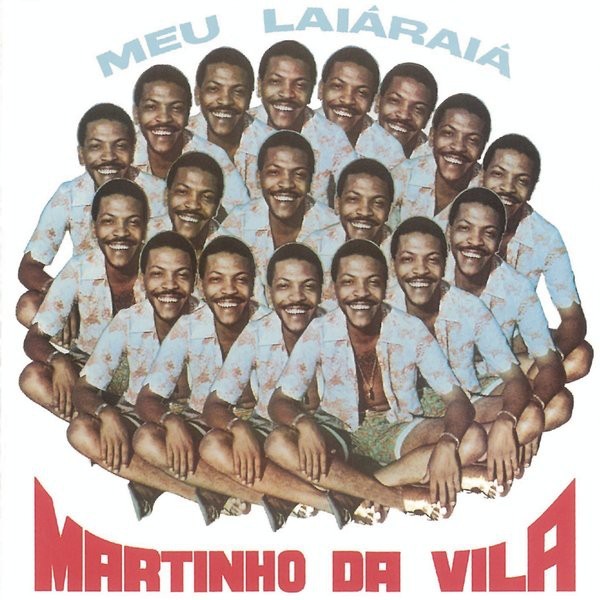
 View Artist