Song Meaning
These lyrics open with an intimate address, immediately suggesting a world far richer and more complex than its surface. It's a warm, reflective meditation, weaving together cultural depth with deeply personal connections.
The central emotional texture here isn't conflict, but a harmonious blending of diverse elements. The speaker suggests the "redondo mundo não é / Só uma bola," implying a profound complexity. This idea is echoed in the fusion of "tupi-guarani" with "Oca Cari," a clever linguistic blend that highlights Brazil's integrated indigenous and modern identities.
A particularly striking craft element is the masterful use of syncretism and juxtaposition. The lines "Omulu nos protege / Mas o padroeiro é São Sebastião" perfectly capture Brazil's unique spiritual landscape, where African diaspora traditions and Catholicism coexist. This isn't merely a list of influences; it's a powerful statement of shared experience and a unified cultural fabric.
The emotional power culminates in the shift to family, grounding the broader cultural tapestry in deeply personal affection. The simple joys of "praia," "chocolate," and the speaker's pure delight at "Dandara netinha" smiling, make the celebration of identity feel both grand and intimately human. It's a tender portrait of belonging, both to a vibrant culture and a loving family.
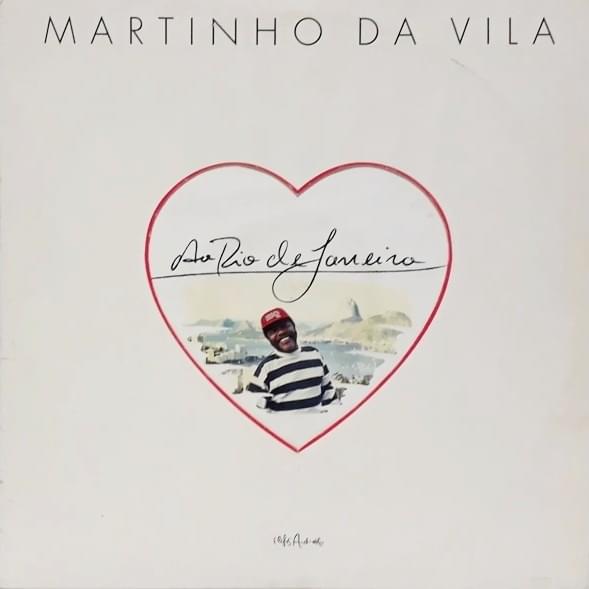
 View Artist