Song Meaning
The lyrics paint a picture of a neighborhood undergoing drastic, unwelcome change, mirroring a personal loss. The narrator observes the literal transformation of their surroundings – a newspaper report of rising prices, the demolition of a familiar 'bosque' for a new building, and the silencing of a local voice ('A voz do Ciro calou'). This external decay and loss of community space directly correlates with an internal emotional state, as the music itself seems to slow down and the band is no longer playing. The sense of abruptness and lack of explanation is palpable, especially with the line "Você foi embora sem quê nem porquê."
The central tension arises from this juxtaposition of external societal shifts and the narrator's profound personal grief. The "bate-rebate" suggests a chaotic, perhaps superficial, reaction to these changes, but the narrator feels the pain uniquely: "E foi só em mim que ela achou de doer." This isolation in suffering is amplified by the feeling that the only person who could offer genuine guidance or comfort is now gone. The phrase "andando de banda" and "curtindo uma fossa" captures a state of aimless wandering and embracing melancholy, a deliberate indulgence in sadness.
A striking element of the craft is the use of the impossibly long word "Inconstitucionalissimamente," which, while nonsensical in this context, serves to punctuate the feeling of overwhelming, perhaps absurd, circumstances. It’s a linguistic flourish that mirrors the feeling of being bombarded by things that don't make sense or feel fundamentally wrong. This is followed by the stark simplicity of "Você foi embora sem quê nem porquê," highlighting the contrast between elaborate, perhaps bureaucratic, societal shifts and the raw, unexplained departure of a significant person.
Ultimately, the lyrics resonate because they capture a specific kind of heartbreak: one that is amplified by a sense of place being irrevocably altered. The narrator is left "pagando pra ver" – resigned to observing their own sorrow and the changing world without the person who once offered clarity. The repeated plea for "dica da vida / Sem grilo pra me socorrer" underscores a deep yearning for simple, unburdened guidance that is now absent, tragically, absent.
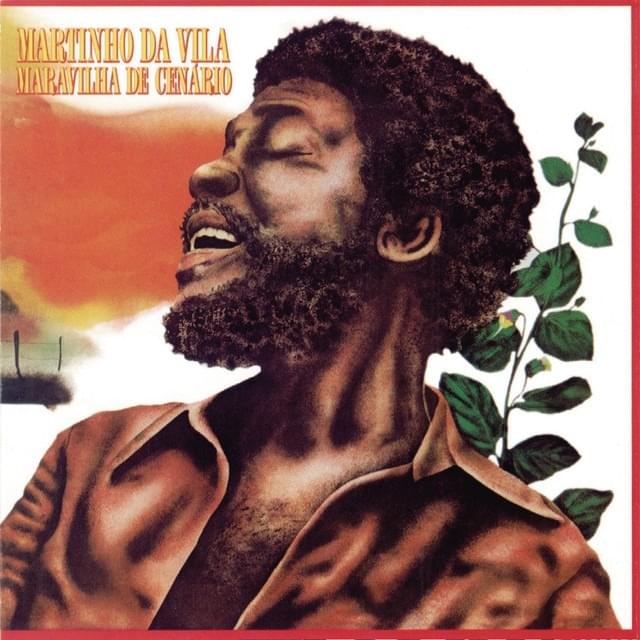
 View Artist