Song Meaning
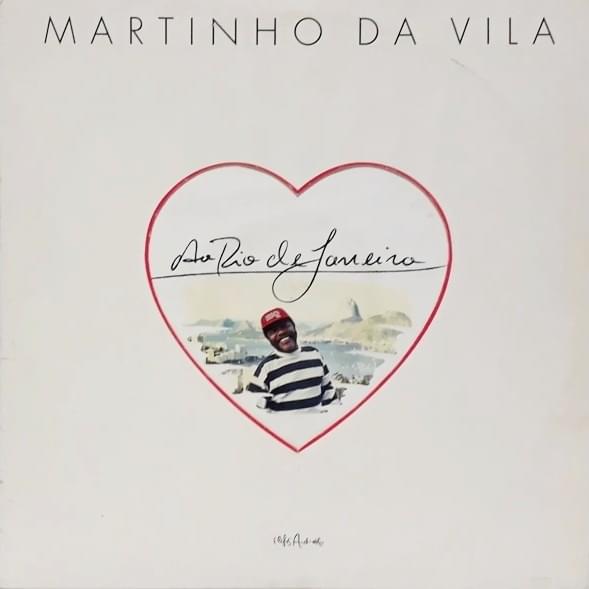
This track paints a vivid picture of a passionate love affair set against the vibrant backdrop of Rio de Janeiro. The narrator expresses deep affection, calling their beloved "Meu amor" and "Minha flor," and immediately connects this personal feeling to the city's energetic "alto-astral." The lyrics suggest this love transcends typical Brazilian cultural markers like samba and football, elevating the beloved to a "capital" status, implying they are central and essential.
The core of the song lies in the narrator's dual devotion: to their lover and to the city of Rio itself. The beloved is described with sensual imagery, a "Beija-flor do meu carnaval" with a "Corpo livre dourando ao sol" in intense heat. This personal adoration is mirrored by an expansive embrace of Rio's diverse cultural and geographical elements, from specific football clubs to famous samba schools and neighborhoods.
The craft here is in the juxtaposition of intimate endearments with a sweeping, almost encyclopedic list of Rio's iconic elements. The shift from "Meu amor" to naming "Vascão, Fla, Flu, Botafogo" and then "Vila Isabel," "Madureira," "Tijuca," "Mangueira," and "Padre Miguel" creates a dynamic that suggests the beloved is as integral to the narrator's experience of Rio as these landmarks and institutions. The phrase "Sou um amante do Rio" explicitly links this romantic love to a deep-seated admiration for the city.
This lyrical approach is effective because it grounds an intense personal connection within a rich, specific sense of place. The narrator isn't just in love; they are in love *with* Rio, and their lover is intrinsically woven into that experience. The rapid-fire naming of places and teams creates a feeling of exhilaration and immersion, mirroring the overwhelming sensory experience of being in Rio and being in love.
 View Artist