Song Meaning
Mariza's "Vielas de Alfama" isn't just a song; it's a melancholic pilgrimage into the heart of Lisbon's oldest district. The Alfama, with its labyrinthine streets and shadows thick with history, becomes a character itself, a living embodiment of the *fado* tradition. The song meaning is less a narrative and more an evocation of a feeling, a yearning for a connection to the past and the raw, unfiltered emotion that *fado* represents. The lyrics paint vivid scenes: a lone guitar weeping in the night, a woman's voice pouring out her sorrow, and the moon acting as both voyeur and guilty accomplice to secret moments. These images aren't merely picturesque; they're loaded with a sense of longing and the bittersweet beauty of fleeting human experiences. The Alfama isn't just a location; it's a repository of stories, secrets whispered in dark corners, and the echoes of countless lives lived and lost.
The recurring chorus, "Vielas de Alfama, beijadas pelo luar / Quem me dera lá morar / P'ra viver junto do fado" (Alfama alleyways, kissed by the moonlight / I wish I could live there / To live beside the fado), underscores the central theme of yearning. It's a desire not just for a place, but for a way of life, a connection to the authentic, and an immersion in the profound emotionality that *fado* embodies. The singer isn't simply expressing a wish to reside in Alfama; she's expressing a desire to be closer to the source of this profound artistic expression, to breathe in the history and the pain that fuels it. The moon imagery is particularly potent, symbolizing both romance and vulnerability. The moon catches lovers unawares, then hides in shame, mirroring the clandestine nature of Alfama's hidden lives and the vulnerability inherent in exposing one's true emotions.
The genius of "Vielas de Alfama" lies in its ability to transport the listener to this specific time and place. It's an invitation to contemplate the relationship between environment and emotion. The narrow streets, the shadows, and the haunting melodies all contribute to a sense of intimacy and shared experience. Mariza isn't just singing about Alfama; she's channeling its soul. The song, at its core, is an exploration of longing, a desire to connect with something deeper and more authentic than the surface of modern life. It's a testament to the power of music to evoke place, memory, and the enduring human capacity for both joy and sorrow. The lyrics analysis reveals a nuanced appreciation for the emotional weight carried within the Alfama's walls.
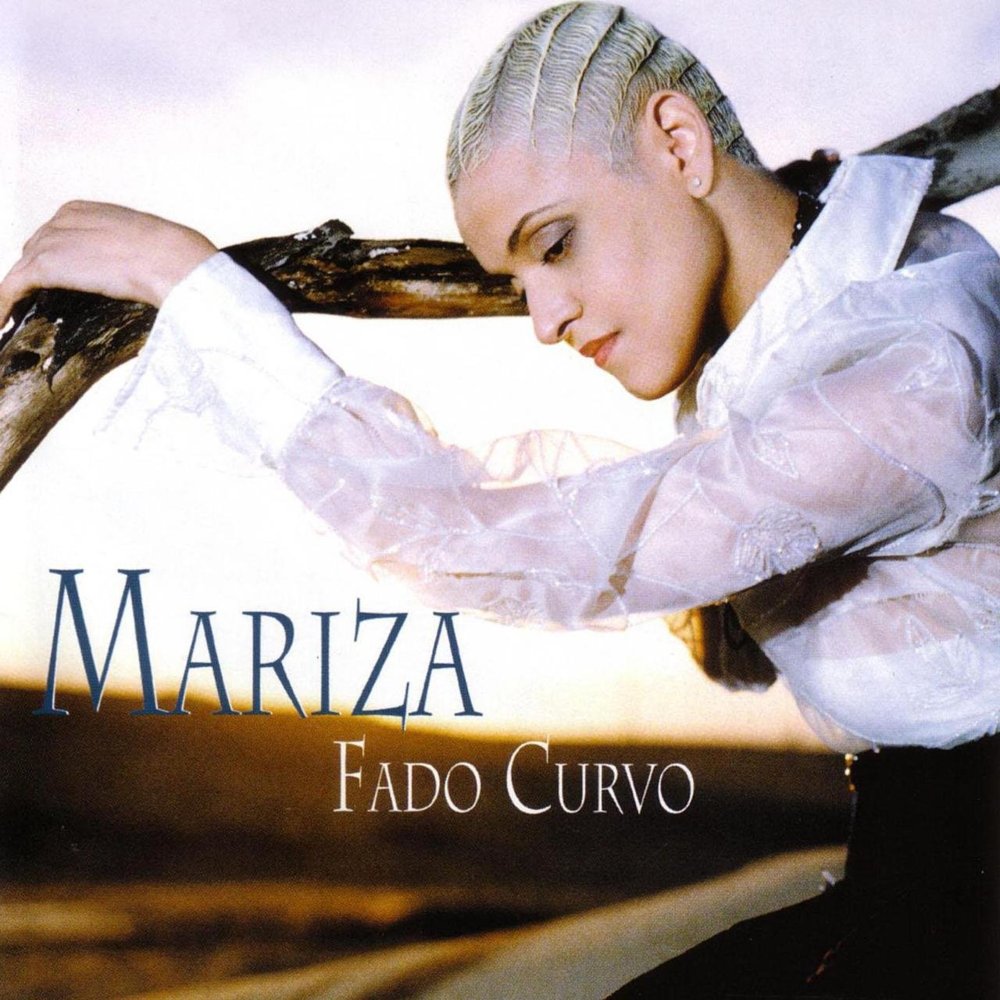
 View Artist