Song Meaning
Mariza's "Retrato" isn't just a song; it's a study in contrasts, a sonic portrait painted with longing and a profound connection to the self. The lyrics, sung in Portuguese, immediately evoke a sense of awakening. The opening lines, describing a face at dawn, bathed in light and blossoming like roses, suggest a fragile beauty, new and vulnerable. This delicate imagery is juxtaposed with the recurring motif of the 'distant but sure melody,' hinting at an inner strength that persists despite the vulnerability displayed on the surface. It’s the kind of melody that seems to rise organically, 'breaking from the earth,' full and ripe with experience. This tension between fragility and resilience forms the core of the song's emotional landscape.
The song meaning deepens as Mariza introduces the imagery of the 'immense sea' and the 'deserted beach.' These aren’t just scenic elements; they represent the vastness and loneliness of the inner world. The 'horizontal and calm' beach could signify a hard-won peace, a quiet acceptance found after navigating turbulent emotional waters. However, the 'rough taste' (sabor agreste) lingers, a reminder of life's less palatable experiences. This isn't a saccharine portrait of serenity; it's a nuanced depiction of a soul that has weathered storms and carries the marks of those battles.
The repeated refrain, 'Rosto da minha alma' – the face of my soul – is the key to unlocking "Retrato's" ultimate meaning. It's a declaration of self-recognition, an acknowledgement of the complex tapestry of emotions and experiences that make up one's true identity. The song suggests that the external face, the one presented to the world, is merely a reflection of the deeper, more profound inner landscape. Mariza, through her evocative lyrics and passionate delivery, invites us to look beyond the surface and contemplate the multifaceted portrait of our own souls.
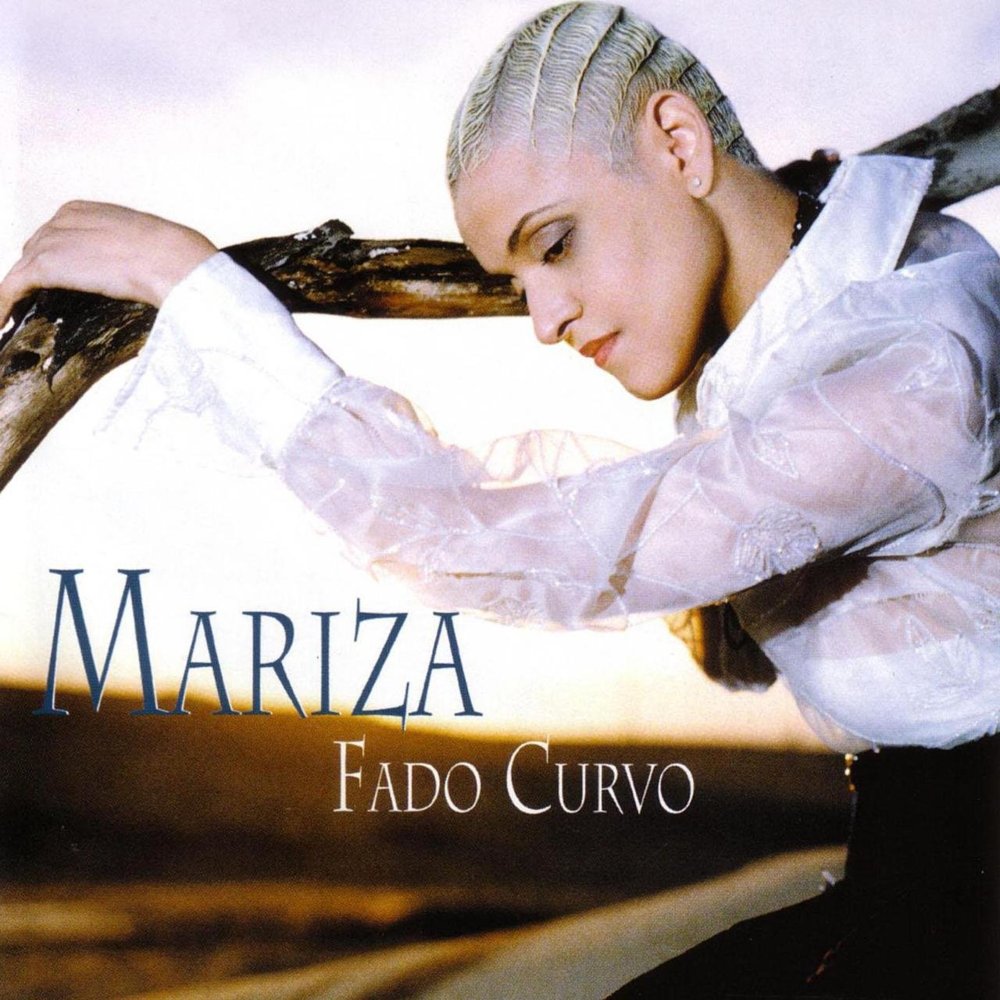
 View Artist