Song Meaning
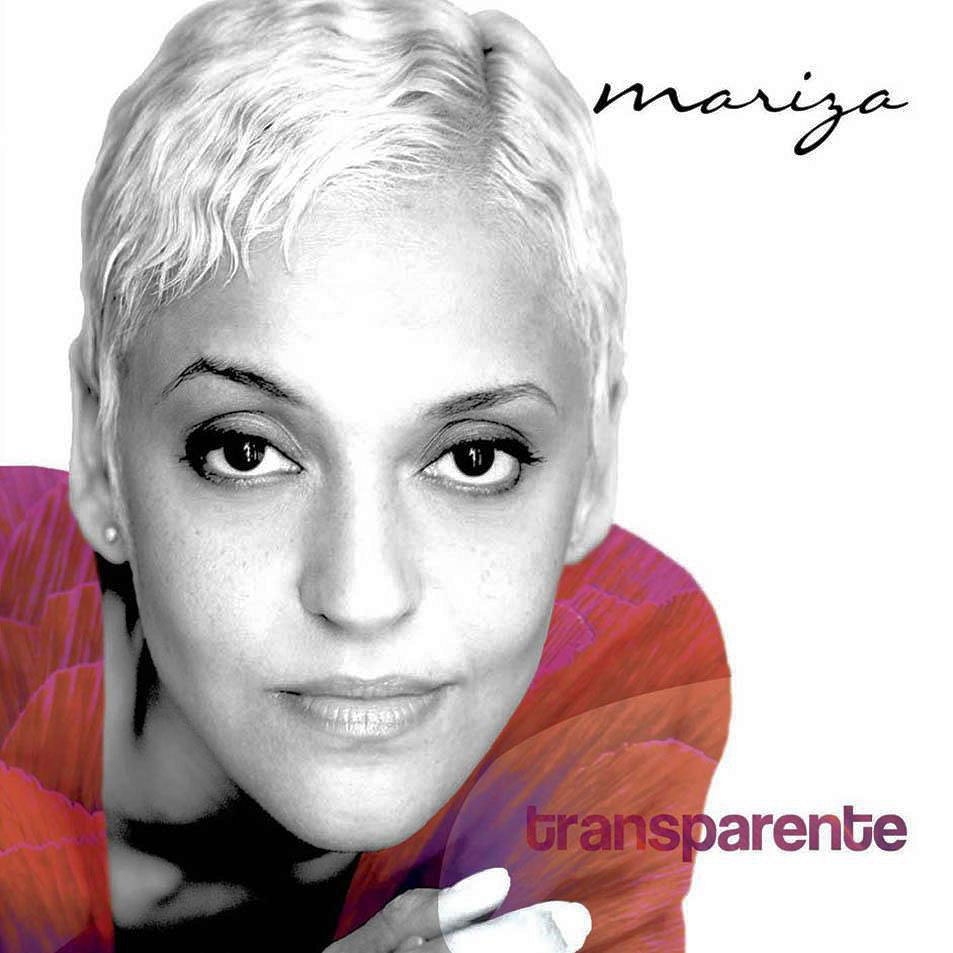
Mariza's "Transparente" isn't simply a song; it's an act of profound self-definition, filtered through the lens of ancestral wisdom. The lyrics, sung in Portuguese, evoke a sense of clarity and destiny, as if Mariza is revealing the very essence of her being. The opening lines, comparing her hand to the "transparent water of a spring," immediately establish a theme of purity and openness. This "transparency" isn't literal; it speaks to an emotional and spiritual visibility, particularly in the eyes of her grandmother, a figure who embodies both earthly knowledge and a connection to the divine. The grandmother, described as "black" and wise in the ways of fate, serves as a conduit to Mariza's predetermined path as a singer. This lineage is central to the song's meaning. The grandmother represents a heritage deeply rooted in both African and Portuguese cultures, a blend that informs Mariza's unique artistic identity.
The song intricately weaves together images of Portugal and Africa, suggesting a convergence of cultural identities within Mariza herself. References to the Tejo River (Tagus), a defining feature of Lisbon, and the Zambezi, a major river in Africa, highlight this dual heritage. The line "A Zambéze made Tejo / So envied that I sing it / Lisbon, to live there" suggests a longing to reconcile these two worlds, to find a home where both her African and Portuguese roots can coexist. The lyrics paint a picture of Lisbon transformed by African influences: "Batuques are guitars / And the coconut trees, sunflowers." This is not just a geographical description; it's a symbolic representation of Mariza's internal landscape, where African rhythms and Portuguese melodies intertwine.
Ultimately, "Transparente" is a powerful declaration of artistic purpose. The repeated affirmation, "Que nasci para cantar" ("I was born to sing"), serves as both a personal mantra and a testament to the power of destiny. It's a song about embracing one's heritage, acknowledging the forces that have shaped one's identity, and stepping boldly into a preordained role. Mariza uses the imagery of fado, the traditional Portuguese genre, intertwined with African musical elements, to express her unique calling. This isn't just about singing; it's about channeling ancestral voices, embodying cultural narratives, and fulfilling a destiny passed down through generations. It is a transparent revelation of Mariza's soul, laid bare through the power of song.
 View Artist