Song Meaning
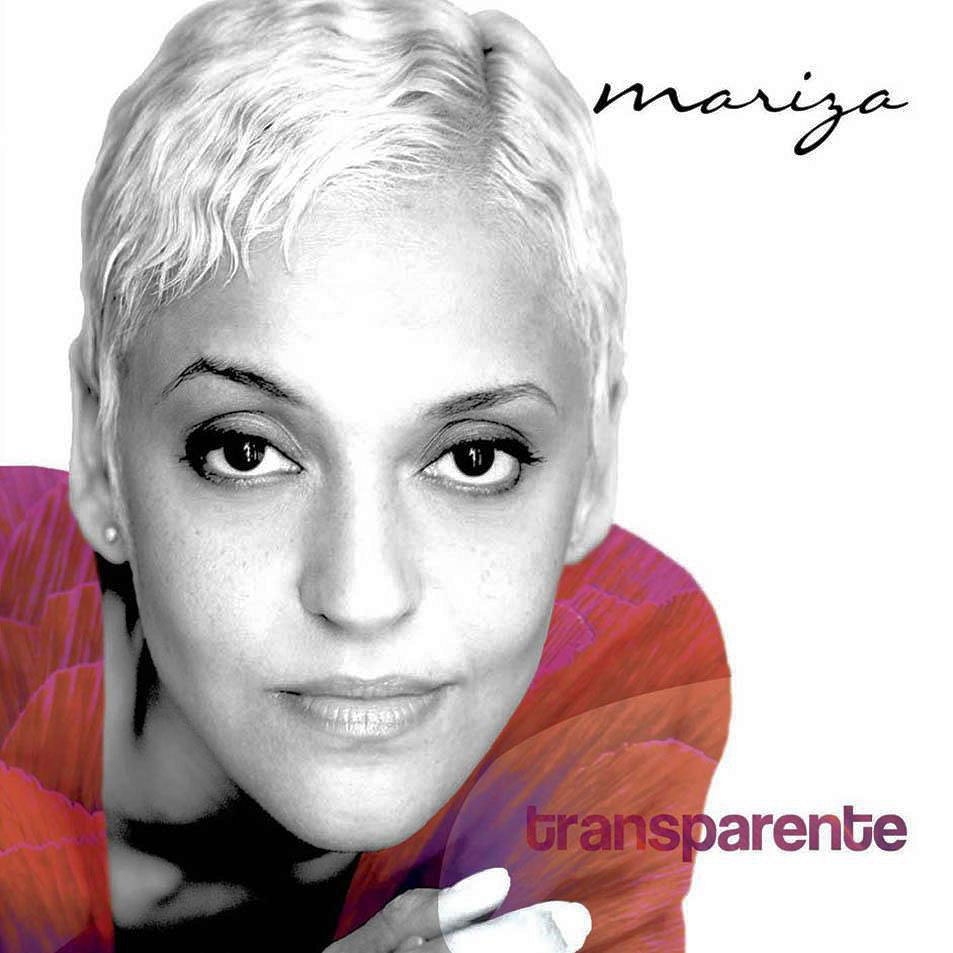
Mariza, the queen of Fado, doesn't just sing about heartbreak; she embodies it. In "Duas lágrimas de orvalho," she paints a portrait of love's agonizing intersection with inevitability. The opening lines, "Duas lágrimas de orvalho / Caíram nas minhas mãos," immediately establish a delicate, almost fragile intimacy. These aren't just tears; they're dewdrops, precious yet fleeting, captured in the singer's hands as she witnesses the pain of a loved one. The core of the song meaning revolves around the helplessness of watching someone suffer in love, the feeling of being inadequate to ease their despair.
The lyrics delve into the silent understanding between lovers, a recognition of shared sorrow that transcends the need for explanation. "Porque choras não me dizes / Não é preciso dizê-lo / Não dizes eu advinho." This speaks to the profound connection, or perhaps the worn familiarity, where pain is palpable even in silence. The song then pivots to a broader reflection on the nature of love itself: the all-consuming sacrifice, the giving of "alma," "corpo," and "tudo," until exhaustion sets in. The stark realization that love, in its end stages, transforms into "saudade" – a uniquely Portuguese term for a deep, melancholic longing – and life itself becomes "nada," is a devastatingly honest assessment of love's potential cost.
The most poignant moment arrives with the introduction of the mother's advice, a voice of wisdom cutting through the emotional turmoil. "Se estás a tempo, recua / Amordaça o coração / Mata o passado e sorri." If there's still a chance to escape, to silence the heart and bury the past, then do it. But the resigned acceptance in "Mas se não estás, continua" suggests a point of no return, a commitment to love's path, however painful, driven by a force stronger than reason. This final verse encapsulates the central tension within the song: the push and pull between self-preservation and the intoxicating, destructive power of love. Ultimately, "Duas lágrimas de orvalho" isn't just a song; it's a lament, a meditation on love's beautiful, brutal truth.
 View Artist