Song Meaning
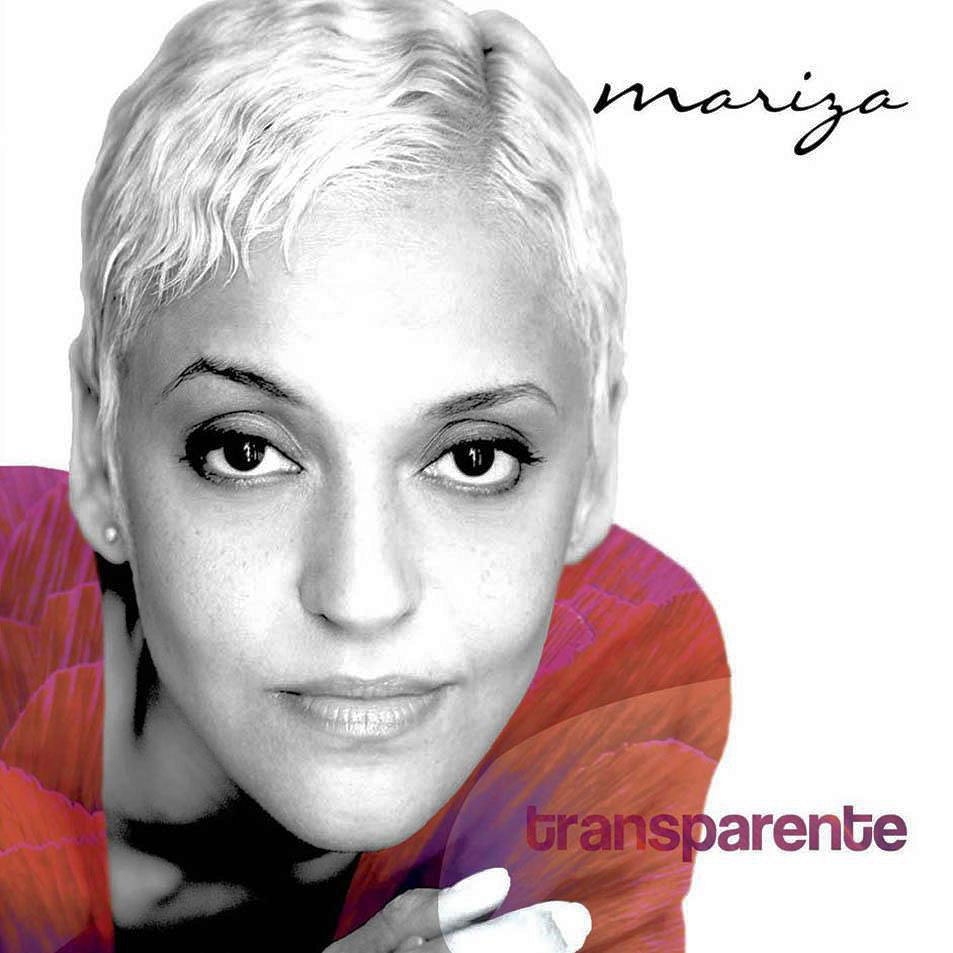
Mariza's rendition of "Quando me sinto só" is more than just a lament; it's a raw, exposed nerve of loneliness, amplified by the potent cultural resonance of fado. The song meaning hinges on the stark contrast between vulnerability and a desperate attempt at self-preservation. The opening lines paint a picture of utter desolation, comparing the feeling of solitude to that of a homeless person on a park bench. This isn't a gentle sadness; it's a visceral ache that breeds self-pity and, disturbingly, hatred for the world that has caused this separation. The lyrics hint at a recent departure, a fresh wound inflicted by someone significant. The singer is left grappling with the aftermath, the silence amplifying her pain. The brilliance of the song lies in its unflinching portrayal of these complex emotions.
The phrase "Sabe-me a boca a fado…" is pivotal. It translates to "my mouth tastes of fado," linking the personal experience of loneliness to the very essence of this Portuguese musical form, which is known for it's themes of saudade. The lyrics use powerful imagery, comparing the heart to a broken water wheel dying of thirst. This isn't just sadness; it's a profound existential drought. This potent blend of personal pain and cultural identity elevates "Quando me sinto só" beyond a simple breakup song. It becomes a meditation on the human condition, the inherent loneliness that can grip us even in a world teeming with connections.
But there's a twist, a dark undercurrent of ego. The singer admits to actively concealing her pain, even lying to avoid pity. This desire for control, this refusal to appear weak, is a defense mechanism against further vulnerability. And then comes the most unsettling line: a wish that the person who caused the pain would experience the same solitude. This isn't a plea for reconciliation; it's a raw, almost vengeful expression of hurt. It reveals the darker side of loneliness – the bitterness and resentment that can fester when one feels utterly abandoned. The song, therefore, isn't just about feeling alone; it's about the complex, often contradictory emotions that arise from that experience: the self-pity, the hatred, the desperate need for control, and the unsettling desire for reciprocal pain.
 View Artist