Song Meaning
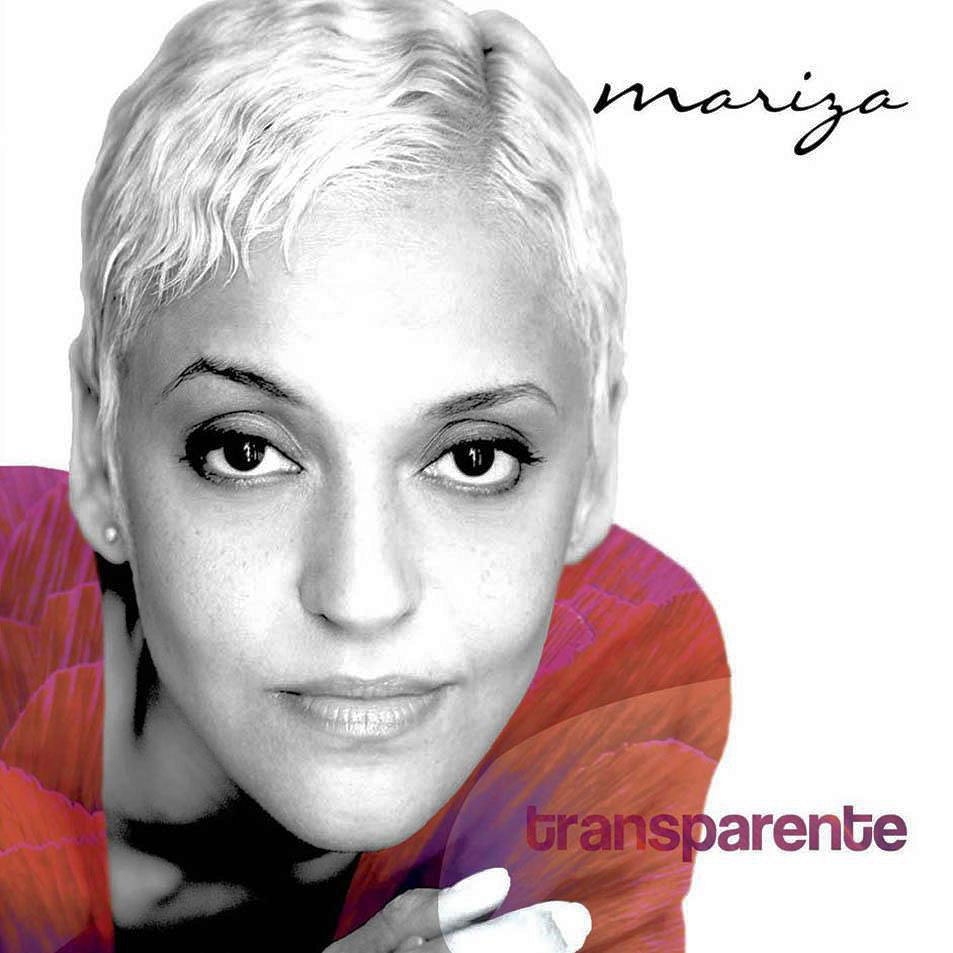
Mariza's "Fado português do nós" isn't just a song; it's a concentrated dose of Portuguese identity, distilled through the melancholic and profoundly expressive lens of fado. The lyrics, though simple on the surface, resonate with a deep cultural understanding. This isn't just about Portugal; it's about the *experience* of being Portuguese, a feeling born from the land itself and carried across the globe by wanderers and dreamers. The fado, personified within the song, becomes a living embodiment of this heritage. It’s a feeling of saudade, that uniquely Portuguese blend of longing, nostalgia, and acceptance of fate. The constant refrain, "Bem querido ou mal amado / O Fado" (Well loved or poorly loved / The Fado), acknowledges the complex relationship a culture has with its traditions – sometimes embraced, sometimes rejected, but always present.
The song's emotional core lies in the inherent duality of the Portuguese experience. The lyrics speak of a life "alegre e gingão" (joyful and lively), yet also acknowledge the inherent sadness and lament that permeates fado. This juxtaposition isn't a contradiction; it's the very essence of the music. It’s a reflection of a nation that has seen both triumph and tragedy, a people who carry their history with them, etched into their souls. The fado, therefore, becomes a vessel for this collective memory, a way to express the unutterable complexities of national identity.
Ultimately, "Fado português do nós" is a testament to the enduring power of cultural expression. Mariza isn't just singing a song; she's channeling a national spirit. The final verses, where the fado is described as riding on the wings of the wind and yearning to be found, suggest a desire for connection, a hope that this uniquely Portuguese voice will resonate with audiences beyond its borders. The repetition of "Ele é querido, ele é amado / O Fado" (He is loved, he is loved / The Fado) in the final lines serves as a powerful affirmation, a declaration of love for this vital piece of Portuguese heritage, regardless of its perceived popularity or acceptance.
 View Artist