Song Meaning
The lyrics paint a stark picture of transition, where the vibrant energy of summer is violently giving way to a destructive September. The "sisters dancing" and the "game" suggest a cyclical, perhaps even performative, aspect to this change, but one devoid of joy or resolution. The narrator’s insistence on staying put, despite the dramatic backdrop, hints at a stubborn refusal to engage with this painful transition, a quiet defiance against an inevitable, unhappy ending.
The core tension lies in the narrator's confrontation with "Flaming September," personified as a force that demands truth and novelty but offers none. The repeated, almost desperate, questioning – "What can you give me that is true?" and "What can you show me that is new?" – underscores a profound disillusionment. This September isn't a gentle autumnal shift; it's a fiery reckoning, mirroring the narrator's own sense of loss, where "youth lies bruised and broken."
The most striking element is the relentless repetition of "Do you remember," coupled with the lament, "All the life I gave to you." This refrain transforms the song from a simple observation of seasons into a deeply personal plea or accusation. It suggests a past relationship or commitment that has been consumed by this "flaming" transition, leaving the narrator feeling drained and unacknowledged. The contrast between the external spectacle of September and the internal, remembered pain is palpable.
Ultimately, the effectiveness of these lyrics stems from their raw portrayal of disillusionment and loss through potent, albeit brief, imagery. The juxtaposition of the dying summer and the burning September creates a powerful emotional landscape. The insistent questions and the mournful echo of "Do you remember" resonate because they tap into a universal feeling of having invested deeply in something that ultimately offers no lasting value or recognition, leaving only a sense of spent vitality.
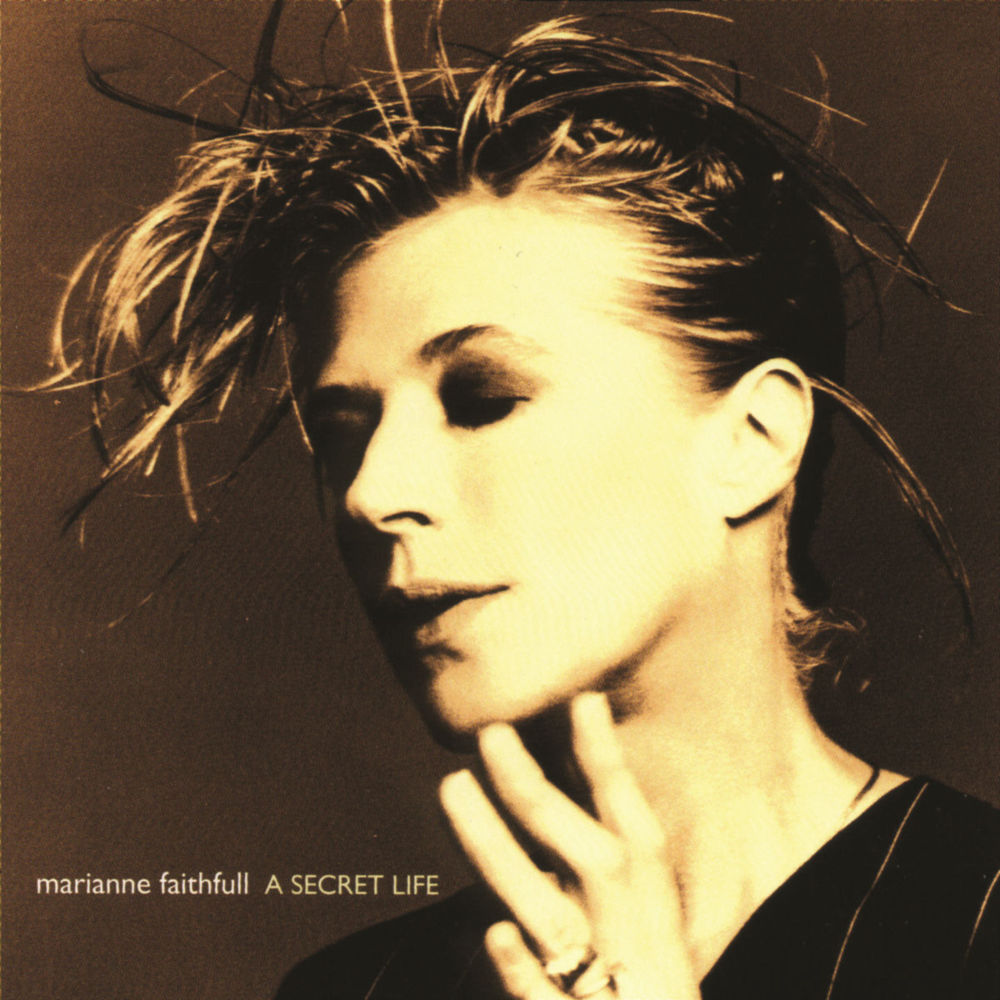
 View Artist