Song Meaning
The lyrics paint a poignant picture of isolation during what should be a moment of simple joy. The narrator observes children playing, their "smiling faces" a stark contrast to their own internal state. This scene, set at the "evening of the day," suggests a time of winding down, yet for the narrator, it's a period of profound disconnect, marked by the quiet, melancholic observation of life happening without them. The repeated phrase, "I sit and watch as tears go by," anchors this feeling of passive sorrow.
The central tension arises from the narrator's inability to connect with the present joy around them, despite its apparent simplicity. While the children engage in activities they once knew, now perceived as new by the younger generation, the narrator feels a gulf of experience. Their "riches can't buy everything," specifically the ability to hear the children's desired "singing," which is drowned out by the "sound of rain falling on the ground." This auditory imagery effectively externalizes the narrator's internal gloom.
The most striking craft element is the juxtaposition of the children's innocent play with the narrator's adult melancholy. The lyrics subtly highlight a passage of time and lost innocence, where actions once familiar are now viewed through a lens of wistful remembrance. The simple, almost childlike repetition of "Mm-hmmm" at the end, rather than offering comfort, feels like an empty echo, underscoring the narrator's detachment from genuine emotional expression.
Ultimately, the effectiveness of these lyrics lies in their quiet devastation. They capture a specific kind of loneliness, one that isn't loud or dramatic but a deep, internal ache. The narrator's passive observation and the contrast between external innocence and internal sorrow create a powerful sense of yearning and regret, making the simple act of watching children play a profoundly sad experience.
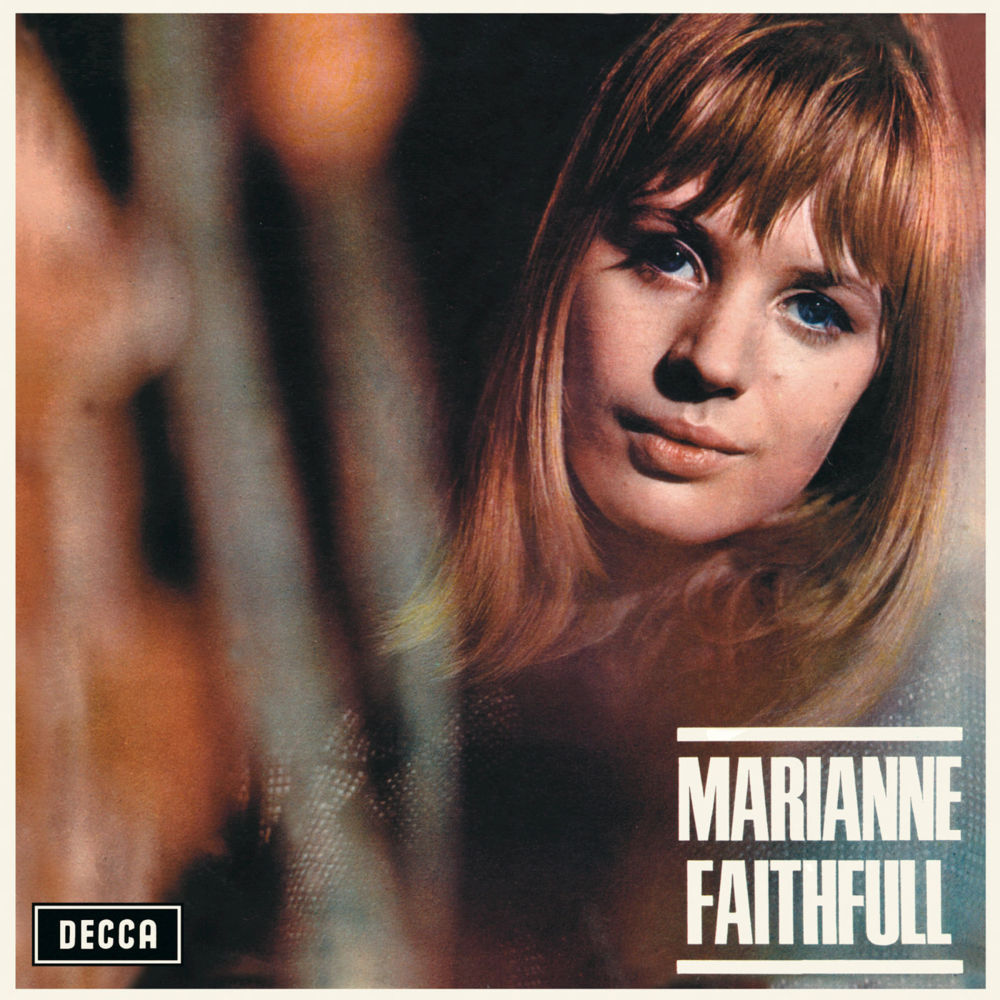
 View Artist