Song Meaning
The narrator paints a picture of someone who feels perpetually drawn into romantic entanglements, despite a desire for self-preservation. There's a sense of being overwhelmed by sentimentality, with a heart that "is never free." This isn't a conscious choice, but rather something that "comes to me," almost by accident, suggesting a lack of control over their romantic fate. The lyrics establish an immediate tone of resignation mixed with a touch of bewilderment.
The central tension lies in the conflict between wanting to avoid falling in love and the inability to do so. The repeated refrain, "Falling in love again / Never wanted to / What am i to do ? / Can't help it," underscores this helplessness. It's a cycle the narrator seems trapped in, where external forces or an internal predisposition consistently lead them back to romance, even when they'd prefer otherwise. This suggests a passive role in their own emotional life.
The most striking image is the comparison of men to "moths around a flame," a powerful metaphor for irresistible attraction and potential danger. The narrator explicitly states, "if their wings burn, i know i'm not to blame," shifting responsibility. This line is crucial; it implies that while they are the object of desire, they don't actively seek to harm, yet the outcome for others is inevitable. The phrase "Sonst gar nichts" (German for "Nothing else at all") further emphasizes the singular focus on this romantic dynamic, excluding all other aspects of life.
This lyrical construction is effective because it taps into a relatable feeling of being swept away by forces beyond one's control, particularly in matters of the heart. The narrator's passive stance and the imagery of moths drawn to a flame create a compelling narrative of someone who is both a magnet for love and a victim of it, unable to break a pattern they didn't intend to start.
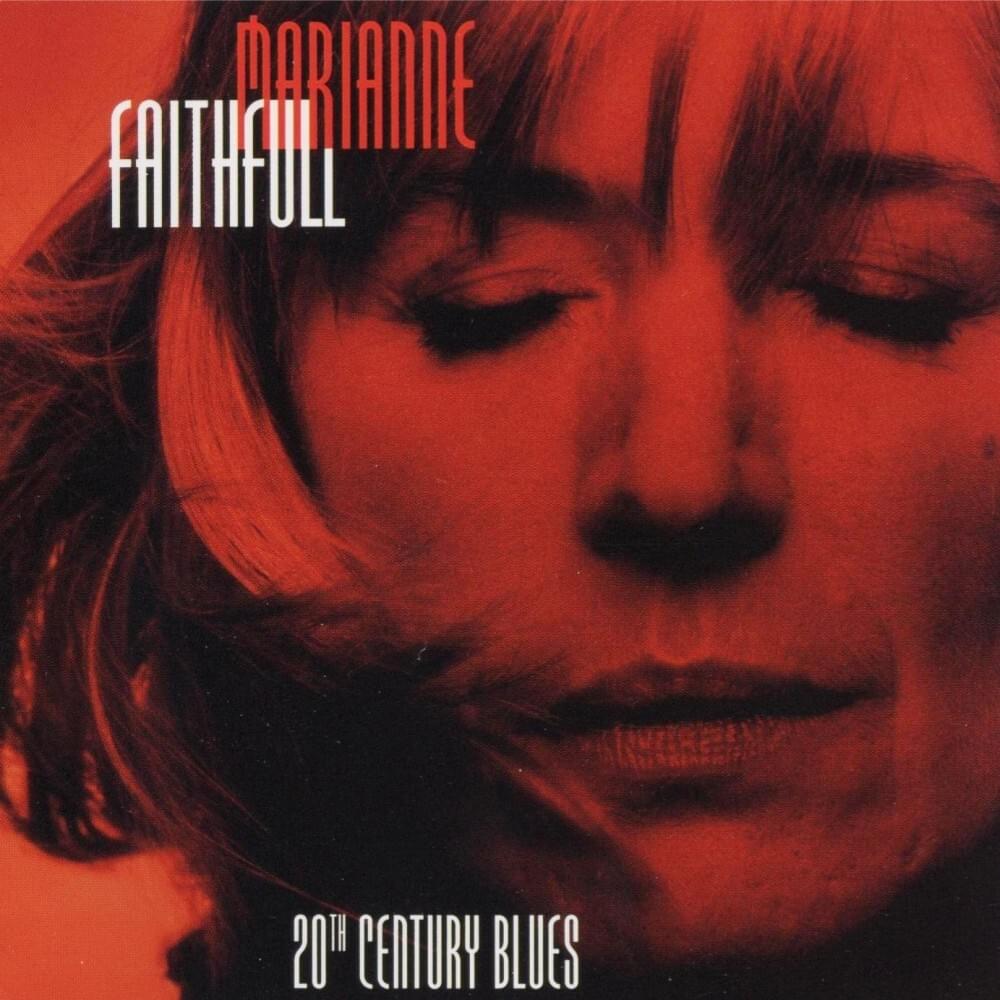
 View Artist